
What Is a Flush in Poker? Definition, Odds and Examples
Level 2 · Lesson 7 of 113 min read
How do you make a flush?
Five cards sharing a suit. They can be any five ranks, in any order, and they do not need to touch.

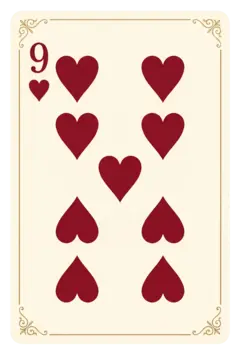
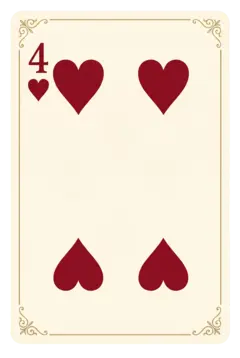

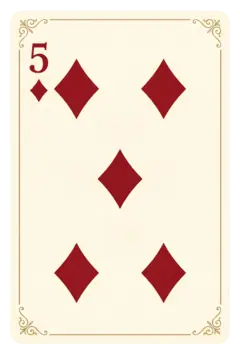

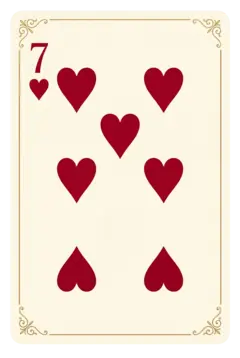
Your two hearts and the board's three make five, so the 2♣ and 5♦ are surplus and drop out. That is the best-five rule doing its usual work: seven cards available, five that count.
The suit is the only requirement. A♥ K♥ 9♥ 7♥ 4♥ and 8♦ 6♦ 5♦ 3♦ 2♦ are both flushes and the second is no worse for being small, until it meets a bigger one.
How often does a flush arrive?
About 3% of the time — roughly one hand in 33 finishes as a flush by the river.
Three cards of a suit appear on the board constantly, which is why near-misses are common and finished flushes are not.
Rarity is also what sets the ranking order: flushes are scarcer than straights, and that is exactly why a flush beats one. The poker hand rankings put the whole order in one chart.
Quick check
Roughly how often does a Hold'em hand end up as a flush?
Which flush wins when two players have one?
The one with the highest card. Hearts never beat spades, because suits have no ranking in Hold'em.

Your opponent's king-queen-jack-nine-four is a genuinely strong flush and it never gets compared past the first card. The nut flush — the ace-high one — is the version nobody can beat, which is why the ace of the suit is the card you want to be holding.
Three of the five hearts here are shared, so both players are drawing from the same board. That is the usual shape of a flush fight: the board supplies most of it and the highest card in someone's hand decides it.
A flush is not the same as a flush draw
A flush is finished. A flush draw is four cards to one, still needing another — a different hand with different odds, covered fully in what is a flush draw.
The distinction matters because the two look almost identical on the table and are worth wildly different amounts.
You'll also run into these
- Four to a flush on the board. When the board itself shows four of a suit, anyone holding a single card in it has a flush. Hold none and you are usually playing the board at best.
- A straight flush. Five suited cards that also run in sequence stop being a flush and become the second-strongest hand there is. It is not a bigger flush; it is a separate hand, one step higher.
- The flush that splits. If all five board cards share a suit and neither player holds a higher one, the board plays and the pot is split.
Flush vocabulary, and everything next to it, sits in the poker terms glossary.
Practice this in Vibe Poker
Level 4 in the app practices exactly this — it takes about two minutes.
Free, play-money only. 18+.