
Best Starting Hands in Poker: What to Play and What to Fold
Level 6 · Lesson 1 of 67 min read
What makes a starting hand strong?
Three qualities, and a hand can carry more than one.
High ranks. The rank of the pair you make decides most showdowns you reach. A hand that pairs an ace beats a hand that pairs a nine. Neither player has to do anything clever — the poker hand rankings settle it.
Already a pair. Two cards of the same rank arrive as a made hand and stay one whatever the flop brings. Nothing has to happen for them to be worth chips.
Cards that work together. Two cards of one suit — suited, like A♠ K♠ — can grow into a flush. Two ranks close together can grow into a straight. Both need help from the board, and both turn a hand you would otherwise fold into one worth raising.
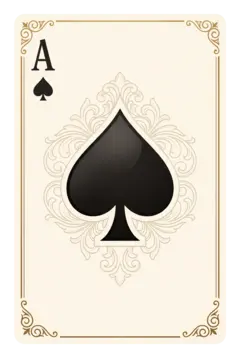
Ace-king suited is the strongest hand that is not a pair. It is also unmade: before the flop it holds nothing, and all of its value depends on cards still to come.
The best starting hands, ranked
Best first, and the gaps between these groups are wide:
- Pocket aces, kings, queens and jacks. Raise them from every seat, and raise again when someone raises you — how to play pocket aces covers the one that gets beaten most.
- Ace-king, suited or not. The strongest unpaired hand there is. Before the flop, play it as hard as the pairs above it.
- Pocket tens down to sevens, and ace-queen. Strong enough to raise with, weak enough to slow down when a bigger card lands on the flop.
- Suited aces, suited connectors, and two cards ten or higher. Playable rather than strong: they need a good flop, and three-handed they are raised more often than folded.
- Everything else. One high card next to one small one in different suits — offsuit — with no straight between them, down to the worst hand in poker.
Every figure below comes from the same engine that grades the in-app puzzles — two hands dealt, five cards run out, nobody folding.
| Hand | All-in before the flop vs a random hand |
|---|---|
| Pocket aces A♠ A♥ | ~85% |
| Pocket kings K♠ K♥ | ~82% |
| Ace-king suited A♠ K♠ | ~67% |
| Seven-deuce offsuit 7♦ 2♣ | ~35% |
The bottom row surprises most readers. A ranking measures how often a hand is ahead when the chips go in, not which hands can ever win. Against one opponent holding two unknown cards, almost anything wins sometimes.
A premium hand is a favorite, not a lock
A premium hand is one from the first two groups above — strong enough to raise from any seat. Every one of them is a favorite against a random hand and an underdog to something else. Two unpaired cards, however big, are behind a big pair before the flop — against the smallest pairs the same hand is close to a coin flip.
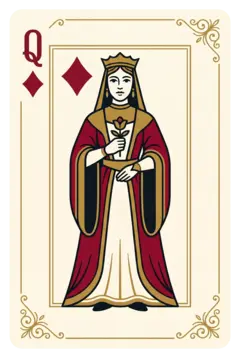
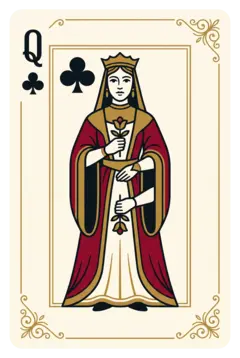
Ace-king has to pair up or complete a straight or a flush. The queens are ahead already and stay ahead on most boards, so nothing has to go right for them.
Quick check
All-in before the flop, A♠ K♠ against Q♦ Q♣ — who is ahead?
Whether the chips should go in anyway depends on what the call costs, which is what pot odds measures.
How often are you dealt a premium hand?
These are deal probabilities — how often two cards arrive in your hand, before any community card exists.
| Dealt | How often | About one hand in |
|---|---|---|
| Aces, kings, queens, jacks or ace-king | ~3% | 33 |
| Ace-king, suited or not | ~1.2% | 83 |
| Any pocket pair | ~5.9% | 17 |
| Two suited cards | ~23.5% | 4 |
Nothing in the top group is common, so waiting only for those hands means folding nearly everything you are dealt. Suited cards are the exception on this table: they arrive constantly, and being suited on its own does not make a hand worth playing.
Which hands should you fold?
Most of them. A high card sitting next to a small one, offsuit, is the shape you will be dealt more often than any other.
 Pot1,500
 Bet4,500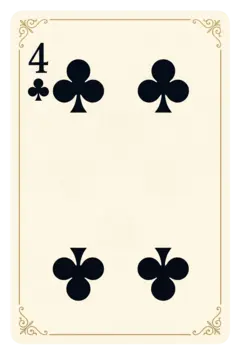
Pairing the queen is the only realistic plan here, and that plan loses to every better queen and to any pair your opponent already holds. The four does nothing at all. Fold before the flop and the hand costs you no more chips.
The blind you posted belongs to the pot, not to you, so it is never the reason to continue. The general test — what you stand to win against what the call costs — is worked through in when to fold.
Should you raise or limp with a strong hand?
Raise. Calling the big blind instead of raising it — limping — keeps the pot small in the one spot where you want it large.
Pot1,500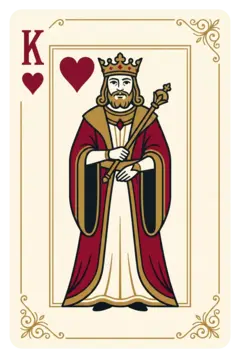
A raise does three jobs at once. It builds the pot while you are ahead, and it gives both blinds a reason to fold their weakest hands. It also takes the lead in the hand for every round that follows. Limping gives all three away and lets two opponents in cheaply.
When someone raises your raise — a 3-bet — kings raise again.
Three-handed, more hands are playable
Most starting-hand advice was written for a nine-player table. Vibe Poker deals three-handed, and two things change. Fewer opponents can be holding a better hand. The blinds also reach you far more often, so folding everything gets expensive.
Pot1,500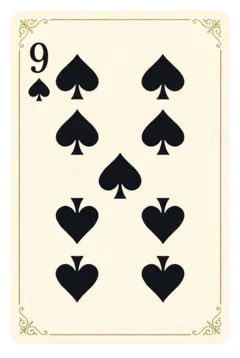
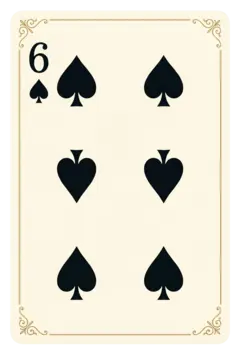
Nine-six suited makes nothing by itself. Three-handed it does not need to. Two opponents miss the flop most of the time. A hand that can still make a straight or a flush has something to do when they check.
Which seat you are in moves the answer more than any list does. Poker positions shows the same two cards as a raise from one seat and a fold from another. A chart gives you a baseline, as long as you know which table size it was drawn for. The poker starting hands chart covers how to read one.
All of this assumes a normal stack. A few blinds deep the list collapses into push/fold. Any term above that is new to you is in the poker terms for beginners glossary.
Frequently asked questions
Is ace-queen a premium hand?
No. Ace-queen collects a lot of small pots and occasionally loses a large one. The hands that raise it back before the flop nearly all have it beaten, so treat a re-raise as information rather than a challenge.
Practice this in Vibe Poker
Fold the worst hand, call an all-in with aces, and raise two kings — Levels 21, 22 and 24 in Vibe Poker take about three minutes. Free, play-money.
Free, play-money only. 18+.