
Pot Odds Explained: When a Call Is Worth It
Level 5 · Lesson 1 of 36 min read
What price are you being offered?
Every bet you face is an offer.
 Pot6,000
 Bet1,500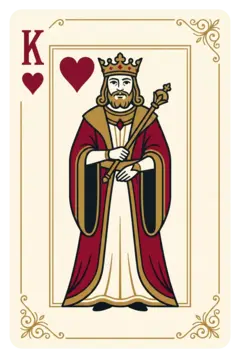
Three steps turn that offer into a number:
- Add up the total you'd collect: the pot, their bet, and your own call.
- Divide your call by that total.
- The result is your price, written as a percentage.
As a formula:
price = call ÷ (pot + bet + call)
For the hand above:
1,500 ÷ (6,000 + 1,500 + 1,500) = 1,500 ÷ 9,000 ≈ 17%
Your call sits in that total because you get it back when the hand is yours. That is part of what the offer pays, and it is why the call appears on both sides of the formula above.
Work the price out before you look at your own cards. It depends only on the chips on the table, so it is the same number whichever two cards you hold. Count every chip already in the pot when you do — chips from earlier streets and from earlier callers all belong in it. Leave any out and the pot looks smaller than it is, so the price looks worse and a correct call becomes a fold.
The other half of the comparison is your equity — how often your hand wins, counted from your outs. One rule runs everything:
- Equity above the price: calling makes money over time.
- Price above equity: folding makes money over time.
The rule doesn't promise you win this hand — only that across many repetitions at this price, the chips flow your way.
Try a few numbers yourself:
Pot odds
Your price: ~17%
1,500 / (6,000 + 1,500 + 1,500)
A flush draw at a 17% price
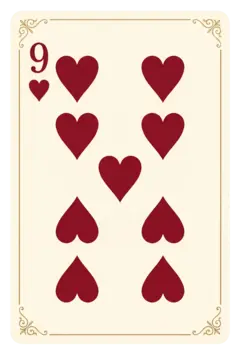
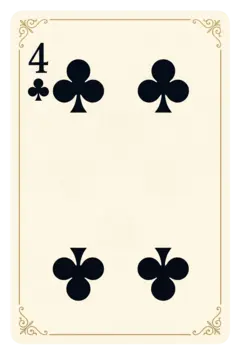
You hold A♥ 7♥ and the flop comes K♥ 9♥ 4♣ — a flush draw, nine outs, about 35% to arrive by the river.
Pot6,000Bet1,500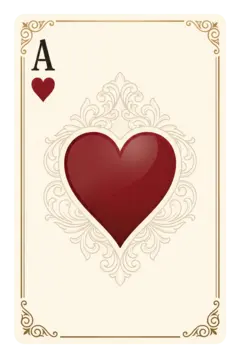
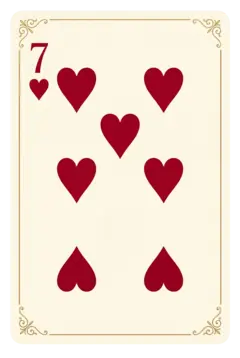
~35% equity vs. ~17% price
Your equity is roughly double the price. An easy call, even though the flush misses more often than it arrives.
A gutshot facing a pot-sized bet
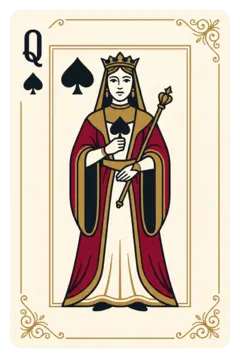
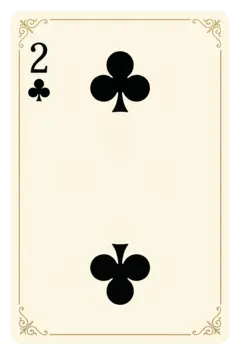
You hold 8♣ 9♦ on J♥ Q♠ 2♣ — a gutshot, four outs, only a 10 completes the straight, about 17% by the river.
Pot4,000Bet4,000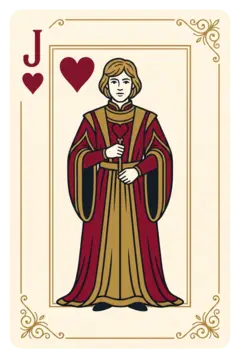
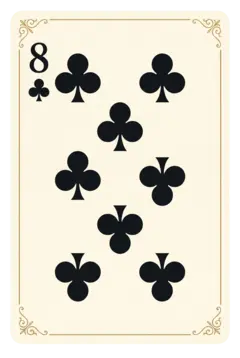
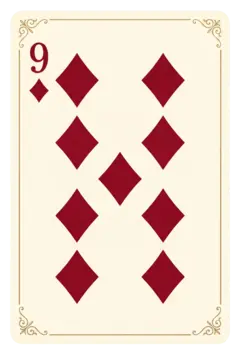
The price:
4,000 ÷ (4,000 + 4,000 + 4,000) = 4,000 ÷ 12,000 ≈ 33%
~17% equity vs. ~33% price
You'd need to win one time in three, and this draw gets there closer to one time in six. Fold.
That fold made you money. Most players call here because the straight is real and folding feels like giving up — see when to fold.
An open-ended draw and a narrow call
You hold 8♥ 9♣ on 10♥ J♣ 2♦ — an open-ended straight draw, eight outs, about 32% by the river.
Pot8,000Bet4,000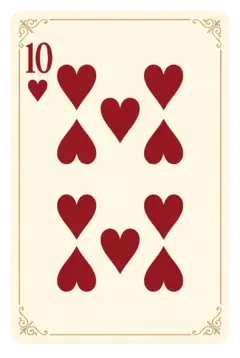
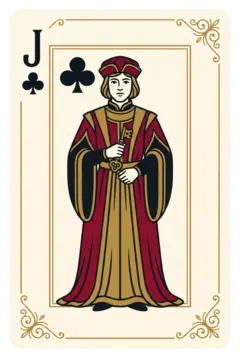
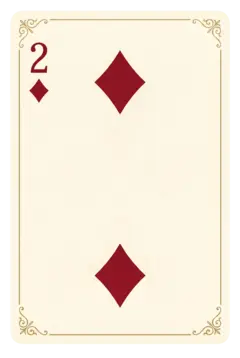
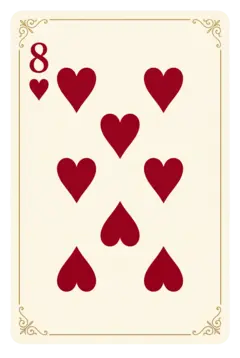
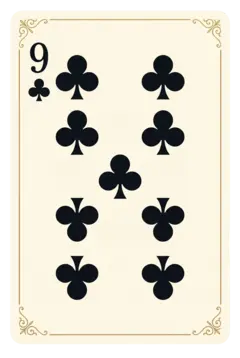
The price:
4,000 ÷ (8,000 + 4,000 + 4,000) = 4,000 ÷ 16,000 = 25%
Make the comparison yourself before reading on.
Quick check
Your open-ended draw is about 32% to get there, and the price is 25%. Is this a good call?
Real decisions look like this far more often than they look like the flush draw — you can't pattern-match "big draw, small bet" and skip the arithmetic.
You don't need a blowout margin
A narrow edge and a wide one are the same decision. The size of the gap changes how much the call earns over time, never whether it earns.
The exception is equality. When your equity sits exactly on the price, calling and folding are worth the same. Here is that same gutshot facing a quarter-pot bet, sitting on that line.
Pot6,000Bet1,500The gutshot didn't change. The price did. Equity vs pot odds walks through how the comparison behaves as bets grow and shrink.
Pot odds for common bet sizes
Bet sizes repeat, so their prices are worth knowing cold. Every row comes from the same formula you just used, and from the same engine that grades the in-app puzzles in Vibe Poker.
| Bet size | Example | Your call | You'd win | Price |
|---|---|---|---|---|
| Quarter-pot | 1,500 into a 6,000 pot | 1,500 | 9,000 | ~17% |
| Half-pot | 4,000 into an 8,000 pot | 4,000 | 16,000 | 25% |
| Pot-sized | 4,000 into a 4,000 pot | 4,000 | 12,000 | ~33% |
Read it against the draws you know: a flush draw clears every price on this table, an open-ended draw clears the half-pot price but not the pot-sized one, and a gutshot only breaks even against the quarter-pot price. If a term here is still settling in, the poker terms for beginners hub keeps every definition one click away.
Frequently asked questions
Do pot odds work with one card to come?
Yes — the formula never changes, only your equity does. With one card left each out is worth about 2% instead of about 4%, so a draw's chances roughly halve; the rule of 2 and 4 covers both versions. Compute the price the same way and compare it to the smaller number.
Why do some players write pot odds as 3-to-1 instead of 25%?
Ratios are the older convention and both describe the same offer: 3-to-1 means you win three chips for every one you put in. Prefer percentages, because they compare directly against your equity, which is also a percentage — with ratios you have to convert one side before you can judge anything.
Practice this in Vibe Poker
Levels 18, 19, and 20 in the app practice exactly this — each takes about two minutes.
Free, play-money only. 18+.