
Short Stack Poker: How to Play When You're Down to a Few Blinds
Level 6 · Lesson 6 of 64 min read
Why is a short stack measured in big blinds?
A chip count on its own says nothing about depth, because blinds rise on a clock. The same stack is nine big blinds at 500 and 1,000. Two levels later it is fewer, even if you never lose a chip.
Divide your stack by the big blind before you act. Nine big blinds is a short stack at any chip value.
 Pot1,500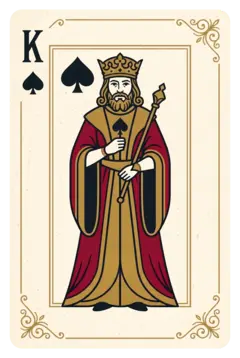
Why do short stacks move all-in before the flop?
A normal opening raise costs two to three big blinds. Make one with nine behind and six are left. Get called and the pot is already bigger than that. Any bet on the flop puts the rest of your stack in anyway, so moving all-in skips two decisions that were never available.
It also keeps the part of your edge a small raise gives away. Opponents can fold to an all-in. Against a raise they can call instead, leaving you on the flop with too few chips to make anyone fold again. Fold equity carries the arithmetic for how often that folding has to happen.
Below roughly ten big blinds, that logic covers almost every preflop hand. It has a name for the pair of options it leaves: push/fold — all-in or fold, decided before any community card arrives. The best starting hands are still the best hands. What disappears is the postflop game you would normally play them in.
Pot1,500 Bet10,000
How much does your hand matter when everyone is all-in?
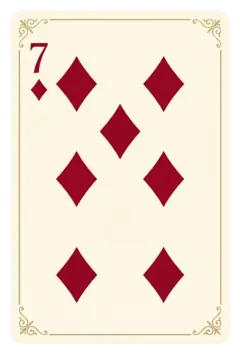
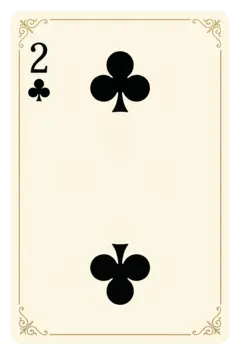
All five community cards arrive at once, with no bet between them. That compresses the distance between a great hand and a bad one. Pocket aces beat a random hand about 85% of the time, the best figure any starting hand gets. 7♦ 2♣, the worst hand you can be dealt, beats a random hand about 35% of the time.
The premium hand is a favorite rather than a lock, and the weak hand is behind rather than dead. That compression is also why an all-in can be correct with a hand you would fold at a deeper stack. The blinds you take uncontested are worth a large share of a stack that size.
Quick check
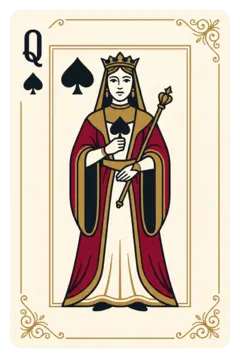
Nine big blinds in the big blind with K♠ Q♠. The button moves all-in for ten and the small blind folds. Call or fold?
How does position change a short-stack all-in?
Position is doing two jobs in this decision — one for the player who moved in, one for you.
Pot1,500Bet10,000
The fewer players left to act behind an all-in, the more hands it can be made with. A button all-in has two players to get through, so it has to be the stronger hand more often. Call the button's all-in tighter than the small blind's.
Your own seat decides what you know when you answer. In the big blind you act last before the flop. Nothing can arrive behind you, so the all-in in front of you is the whole picture. The big blind you already posted is part of what you stand to win, which lowers the price of calling.
You'll also run into…
Depth, not style. Push/fold is an answer to a short stack, not a way to play poker. With sixty big blinds behind, the same K♠ Q♠ has three streets to be played over. An all-in before the flop risks all sixty to win one and a half.
Any term here that is new to you is defined in the poker terms glossary.
Frequently asked questions
What is an effective stack?
The smaller of the two stacks in a hand. Hold nine big blinds against an opponent with forty and only nine can change hands, so the hand is short for both of you. Depth is set by whoever has less.
Practice this in Vibe Poker
Answer it yourself — Level 40 is the curriculum's last puzzle: nine big blinds, K♠ Q♠, and an all-in in front of you. Free, play-money.
Free, play-money only. 18+.