
Poker Positions Explained: The Button, the Blinds, and Why Last Acts Best
Level 1 · Lesson 4 of 86 min read
What are the seats called?
Position is named from the button, the marker that moves one seat clockwise after every hand.
| Seat | Where it sits | Acts preflop | Acts after the flop (all three live) |
|---|---|---|---|
| Button (BTN) | on the marker | first, three-handed | last |
| Small blind (SB) | left of the button | second | first |
| Big blind (BB) | left of the small blind | last | second |
Vibe Poker deals three-handed, so every hand you play is from one of those three. Larger tables insert extra seats between the big blind and the button without changing anything about how the three above behave.
What are the positions at a full table?
Six or nine players add seats between the big blind and the button, and each has a name.
| Group | Seats | What it means |
|---|---|---|
| Early | under the gun (UTG), UTG+1 | earliest to act preflop, with everyone still to act behind you |
| Middle | middle position, lojack | some information, still several players left |
| Late | hijack, cutoff, button | most information, and the button acts last after the flop |
Under the gun is the seat directly left of the big blind — named for acting first with no idea what anyone else intends. The cutoff sits one before the button and the hijack one before that; both are named for stealing the button's advantage by opening ahead of it.
The grouping is what carries. Early seats need stronger hands than late seats to enter a pot, and the reason is the same at every table size.
Why is acting last worth so much?
Because everyone else has already told you something.
 Pot4,500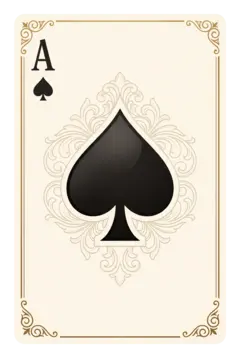
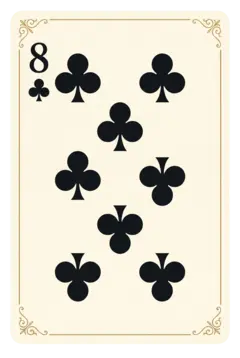
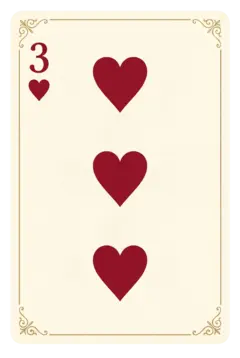
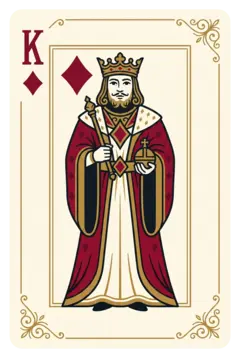
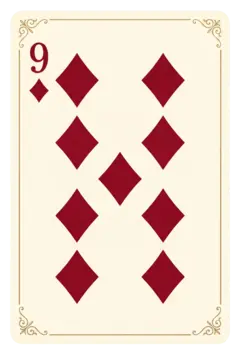
Acting last means you make every decision knowing what the other players did. They bet, and you learn they have something. They check, and you learn they mostly do not. Here both checked, so K♦ 9♦ is very likely the best hand still in, and a bet finds out cheaply.
Now move the same two cards to the big blind, on the same flop, with the small blind folded.
Pot4,500Bet, and you may run into the ace that was waiting behind you. Check, and you may hand a free card to a hand that would have folded to one bet. The button still gets to answer with everything you have shown.
Neither line is clearly better, because you are choosing without the information the button got for free.
Which seat is the worst?
Both blinds are, on different measures, and the two are worth telling apart.
The small blind is the worse seat for position. Every time it plays a hand it acts first on the flop, the turn and the river, and it gets no last word before the flop to set against that.
Acting before your opponent for the rest of the hand is what it means to be out of position.
The big blind is the worse seat for price: it pays the biggest forced bet of the round before it has seen a card. After the flop it opens the round only once the small blind has folded — which is a common case in a defended pot, and the spot below.
Pot3,000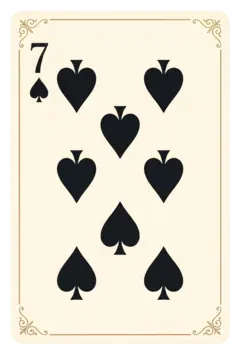
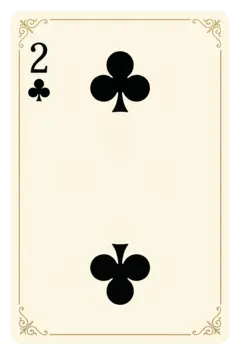
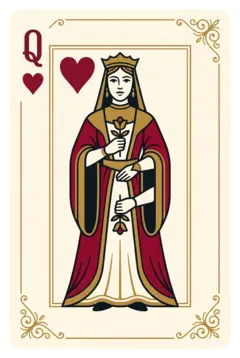
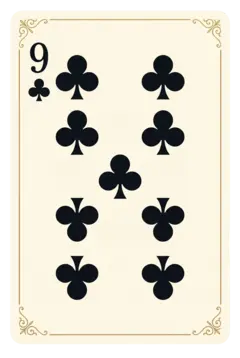
There you commit chips three rounds running with nothing to go on. What the seat gives back is preflop only: the big blind has the last word before the flop, and part of the price is already paid. Small blind vs big blind covers what that discount is worth.
How does position change which hands you play?
Only for the hands in the middle. The strongest hands are worth playing from every seat and the weakest from none; position decides the ones in between.
Pot1,500K♦ 9♦ is one of those in-between hands — two high cards that need the flop to improve. From the small blind the big blind acts after you on every round. A hand that still has to improve is the one that suffers most from that.
Which hands fall in that middle band is the subject of best starting hands, and the poker starting hands chart sets one out seat by seat.
Does the order ever change during a hand?
Once, between preflop and the flop, and it catches out everyone who learns the preflop order first.
Before the flop the blinds act last, because their forced bets are already in. Three-handed that puts the button first, opening into two players who have not spoken.
Pot1,500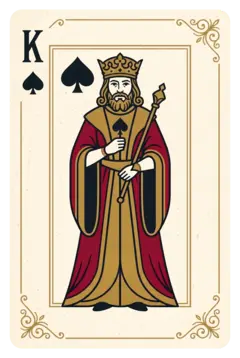
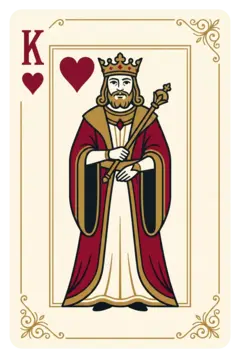
From the flop onward the order inverts. The blinds act first for the rest of the hand and the button acts last, on the flop, the turn and the river.
Pot4,500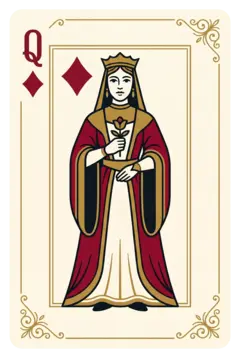
That flip is why the button is the best seat overall despite acting first preflop three-handed: one round of acting early buys three rounds of acting late. It is also why a seat is worth judging by where it sits after the flop, not before it — the preflop order is one round out of four. The full order for each round is in the Texas Hold'em rules reference.
Playing well from a bad seat
You cannot fix the seat, so you fix the range of hands you bring to it.
Pot1,500
- From the blinds, continue with fewer hands. The ones that survive have to be genuinely good rather than merely playable. When to fold covers letting them go without it feeling like a loss.
- From the button, add hands you would fold elsewhere. Suited cards that connect, and any two high cards, are worth playing when both opponents act before you on every round after the flop.
- Bet more of your hands when you are last. After the flop, hands that are only worth a check from the blinds are worth a bet from the button. The poker betting rules set out which bets are legal, and when.
If a term above is unfamiliar, the poker terms glossary has it, and how to play poker covers the mechanics the seats sit inside.
Practice this in Vibe Poker
Level 31 in the app practices exactly this — it takes about two minutes.
Free, play-money only. 18+.