
Implied Odds in Poker: The Money That Isn't in the Pot Yet
Level 4 · Lesson 7 of 84 min read
Why is a bad price sometimes still a call?
 Pot6,000
 Bet1,500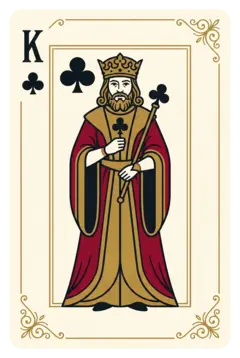
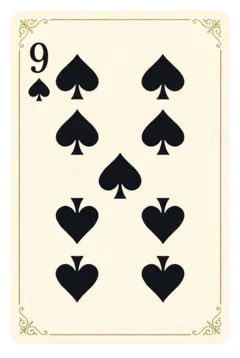
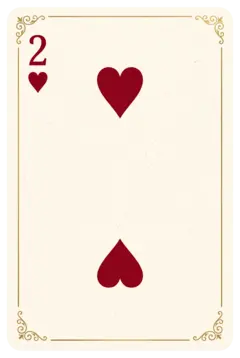
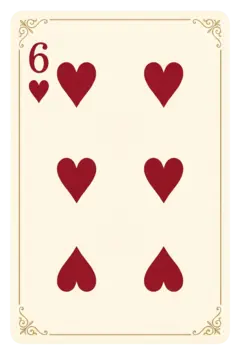
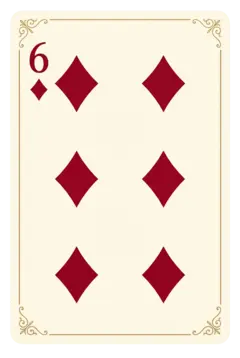
Two sixes are left in the deck. Counting outs puts your set at about 8% by the river. The price is higher than that:
~8% by the river vs a ~17% price
The chips in the middle never pay for that call. The chips that do are still in your opponent's stack. Implied odds are what that stack pays you on the turn and the river when the third six arrives. That money is not on the table when you decide.
Set mining is the purest version of this. A hand this unlikely gets called for what it collects on the flops it hits, not for the pot in front of it.
When are implied odds real?
Three conditions, and the argument collapses when any one of them fails.
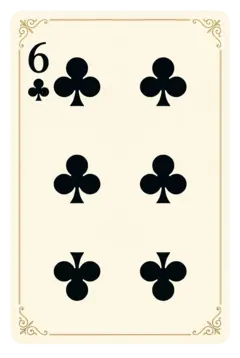
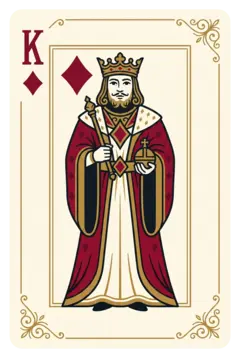
- Your hand is hidden. Nobody puts you on two sixes, so the king they hold keeps firing. A third heart on the board is visible to everyone, and a draw they can see coming gets paid far less.
- There is money behind. What you can win later is capped by the smaller of the two stacks. Against an opponent with one bet left, implied odds are close to zero. A short stack turns marginal draws into folds.
- The opponent pays. Some players check and give up the moment a scare card lands. Against them the later money never arrives, and the call has to stand on the price alone.
Why are implied odds smaller on the turn?
Pot12Bet3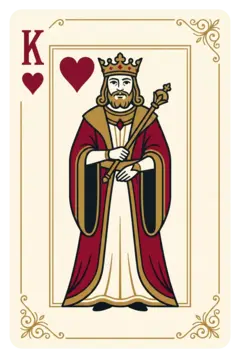
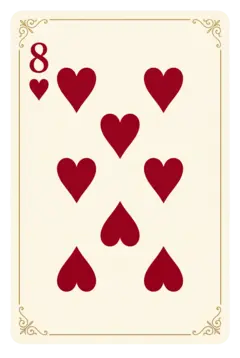
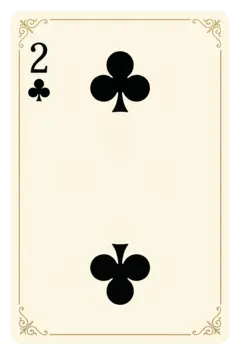
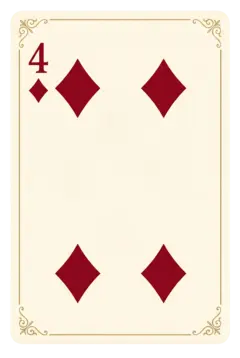
On the flop, a flush draw can be paid on two more streets. Here only the river is left, so the later money is capped at a single bet.
That cap is why a turn call has to be close on price first. This bet is small enough that the pot covers it on its own — equity vs pot odds runs that comparison in full. Implied odds are the margin on top, not the reason to call.
Against a large turn bet nothing rescues it. One river bet cannot repair a price the pot missed by a wide margin.
A heart on the river also puts three of them on the board. Your opponent can count them as well as you can, and the hand that was going to pay you often checks instead.
Quick check
You call a turn bet with a flush draw, meaning to get paid when the heart lands. How many bets can that plan collect?
What are reverse implied odds?
Some hands lose the most money on exactly the card they were waiting for.

Reverse implied odds are the chips you pay off on later streets when you complete your hand and are still second best. A king-high flush collects nothing from the missed draws and pays everything to the ace.
Count a draw down whenever a better version of it is available to someone else. A lower flush, the bottom end of a straight, a pair with a weak kicker. Those hands fold earlier than the price alone suggests — see when to fold. Any term here that is new to you is defined in the poker terms glossary.
Frequently asked questions
Can you calculate implied odds?
Not to a number. It would need the chips your opponent puts in on later streets. That depends on their hand, their read of you, and the card that arrives. Treat implied odds as the tiebreaker on a close decision, never as a figure you work out at the table.
Practice this in Vibe Poker
Take the price on a turn draw yourself — Level 37 in Vibe Poker takes about a minute. Free, play-money.
Free, play-money only. 18+.