
Poker Outs and Odds: How to Know Your Chances
Level 4 · Lesson 1 of 86 min read
How do you count outs?
The routine is the same on every board, three steps:
- Name the hand you're drawing to. Be specific: "a heart flush," not "something good."
- Count every card in the deck that completes it. Thirteen hearts exist in a deck.
- Subtract the ones you can already see. Two hearts in your hand, two on the flop — four accounted for.
Step 1 does most of the work, because an out has to be a specific card you can point at. Holding A♥ 7♥ on K♥ 9♥ 4♣, the 2♥ is an out and so is the Q♥; the 2♠ is not, because a spade completes nothing. The definition has its own short page: what is an out in poker.
Then convert. Each out is worth roughly 2% per card to come, and from the flop two cards are still coming, so you double it: outs × ~4%. If you can double a number, you can do everything on this page. You may have met the same conversion from the multiplier's side, as the rule of 2 and 4.
Two habits keep the count honest. Never count the same card twice — a card that completes two of your draws at once is still one out. And count against every card you can't see, wherever it happens to sit.
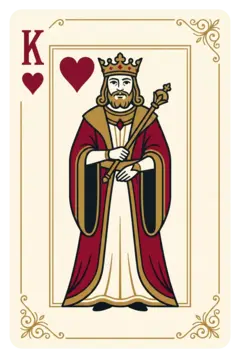
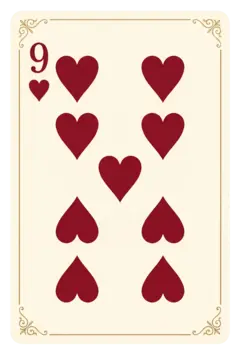
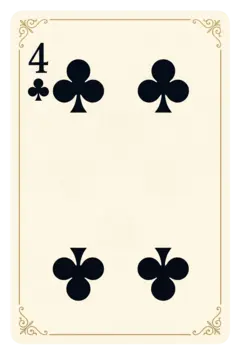

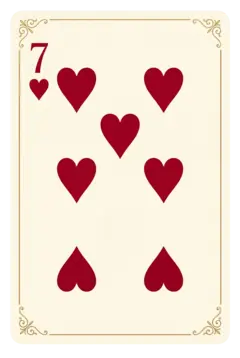
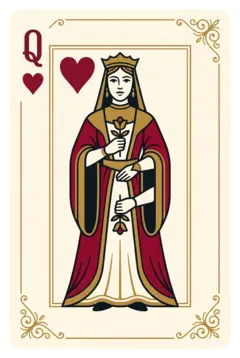
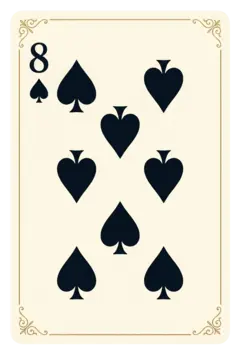
The ~2% per out already averages over every unseen card.
The outs-to-odds chart
"By the river" means from the flop, with two cards to come. Overviews of every shape live in poker draws.
| Draw | Outs | By the river |
|---|---|---|
| Flush draw | 9 | ~35% |
| Open-ended straight draw | 8 | ~32% |
| Gutshot straight draw | 4 | ~17% |
| Combo draw (flush + straight) | 15 | ~54% |
| Pocket pair to a set | 2 | ~8% |
These are the same numbers the engine that grades the in-app puzzles in Vibe Poker computes. The rest of this page walks each row through a real hand.
Nine outs: the flush draw
Name the draw: a heart flush. Count the finishers: thirteen hearts. Subtract the four you can see.
13 hearts − 4 you can see = 9 outs
9 outs × ~4% ≈ 36%
Round to ~35%, better than one in three. Every other draw on this page is the same routine with different counts. The flush draw guide covers the shape in full.
Eight outs: the open-ended straight draw
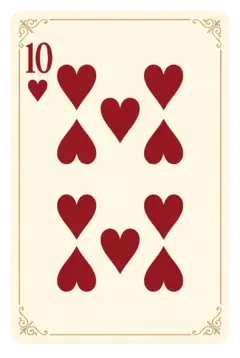
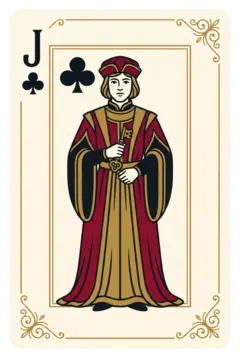
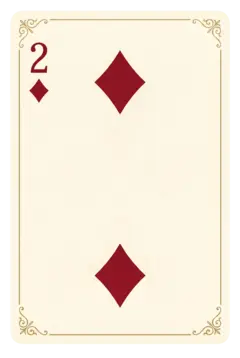
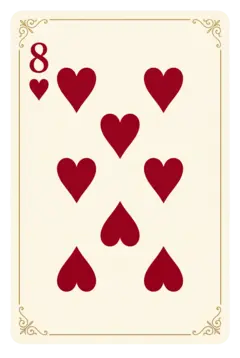
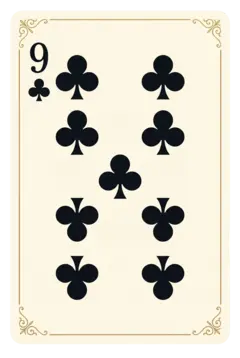
Your 8♥ 9♣ meets the board's 10♥ J♣, and the straight completes from either end: a 7 makes 7-8-9-10-J, a queen makes 8-9-10-J-Q. Two ranks finish you — that's an open-ended straight draw, and four 7s plus four queens are still in the deck.
4 sevens + 4 queens = 8 outs
8 outs × ~4% ≈ 32%
Four outs: the gutshot
Now shift one card.

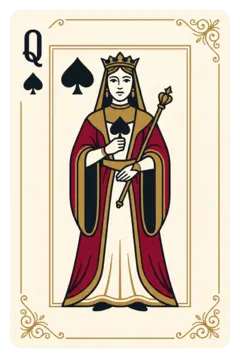
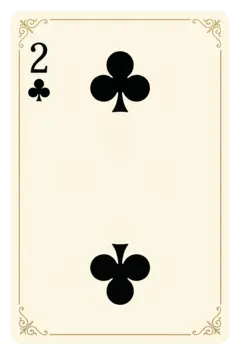
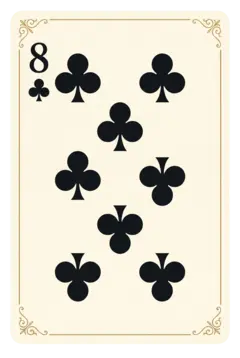
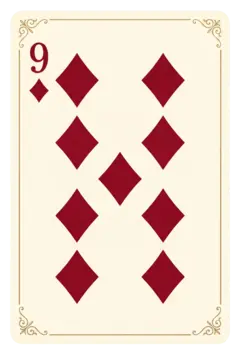
Same ranks in your hand, 8♣ 9♦ — but this board leaves the 10 missing from the middle of 8-9-10-J-Q. Only one rank completes you: a gutshot straight draw.
You've seen the method twice — make the call before the math.
Quick check
Only a 10 completes your straight, with two cards to come. How likely is it to arrive by the river?
4 tens = 4 outs
4 outs × ~4% ≈ 16–17%
Two ranks became one, and the chance roughly halved — which is why the two straight draws carry different names.
Fifteen outs: the combo draw
Outs also stack.
8♥ 9♥ on this flop is a flush draw and a straight draw at once — a combo draw. Count carefully, because the two lists overlap. Nine hearts complete the flush, and the 7♥ and Q♥ are already among them, so only the non-heart sevens and queens are new:
9 hearts + 3 non-heart sevens + 3 non-heart queens = 15 outs
15 outs × ~4% ≈ 60% — but the shortcut overshoots at high out counts; the real number is ~54%
That makes an unmade hand the favorite to get there.
Two outs: set mining

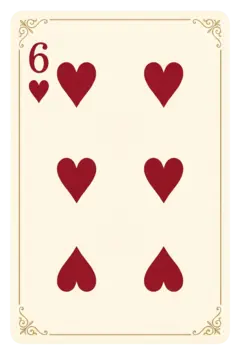
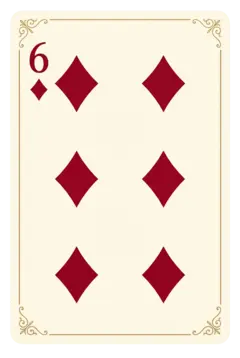
6♥ 6♦ is a pocket pair — a pair dealt straight into your hand. The flop misses it, so you are drawing to three of a kind, and only the two remaining 6s deliver it. Chasing that card is called set mining.
4 sixes − 2 in your hand = 2 outs
2 outs × ~4% ≈ 8%
The method never changed — only the count did, and a draw this thin needs a very cheap price to be worth it.
From outs to equity
The percentage you have been computing all page has a name. Your equity is your hand's chance of winning by the river. Outs are how you count it. The full picture, including hands with no draw at all, lives in poker equity.
 Pot6,000
 Bet1,500
Comparing the two is its own skill — pot odds, the next chapter.
Frequently asked questions
Do outs change on the turn?
The count usually stays the same — the same cards still complete you. The conversion changes: with only the river to come, each out is worth roughly 2% instead of 4%, so the same draw is about half as likely to arrive as it was on the flop.
Should you count an out that could also make an opponent's hand?
Cautiously. A card that completes your straight while putting a third suited card on the board may win you the pot less often than a clean one, so experienced players "discount" it — counting it as half an out, or not at all. At this stage, count it in full and treat the result as a slight overestimate rather than trying to price the discount exactly. Vocabulary you meet here is defined in poker terms for beginners.
Practice this in Vibe Poker
Levels 13, 14, 15, 16, and 17 in the app practice exactly this — each takes about two minutes.
Free, play-money only. 18+.