
Equity vs Pot Odds: How to Know if Your Call Is Good
Level 5 · Lesson 2 of 33 min read
Where each number comes from
Your equity comes from your cards. Counting your outs gives it to you, and poker equity covers what the percentage means.


Your price comes from the pot. Pot odds is your call divided by the whole pot you would win, and pot odds works the formula in full.
| Number | The question it answers | Where it comes from |
|---|---|---|
| Equity | How often does my hand win? | My outs |
| Price (pot odds) | How often do I need to win? | The pot and the bet |
The rule is about the long run: take this price with this hand every time, and the chips move your way.
When does equity beat the price?
Your flush draw gives you the equity. Your opponent bets 1,500 into 6,000, which sets the price.
 Pot6,000
 Bet1,500
The price:
1,500 ÷ (6,000 + 1,500 + 1,500) = 1,500 ÷ 9,000 ≈ 17%
The comparison:
~35% equity vs. ~17% price
Roughly double the price. An easy call.
When does the price beat your equity?
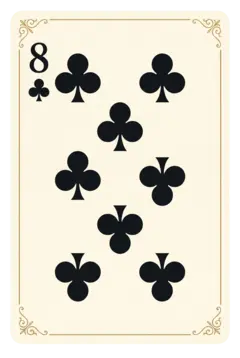
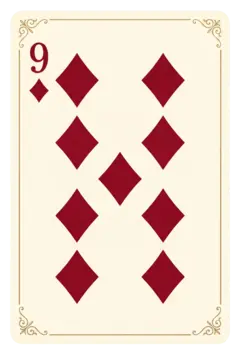
Same skill, opposite answer. Your gutshot has four outs — only a 10 finishes the straight — for about 17% by the river. This time your opponent bets the whole pot.
Pot4,000Bet4,000

The price:
4,000 ÷ (4,000 + 4,000 + 4,000) = 4,000 ÷ 12,000 ≈ 33%
Make the comparison yourself first.
Quick check
Your gutshot is about 17% to arrive, and the price of the call is about 33%. Which side wins the comparison?
Most players call anyway, because the straight is real and folding feels like quitting — the whole case for when to fold.
How big does the margin have to be?
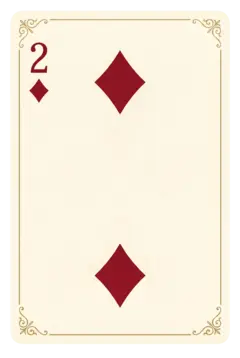
Smaller than your instincts want. Your open-ended straight draw is about 32% by the river, against a bet of 4,000 into a pot of 8,000 — a price of 25%.
Pot8,000Bet4,000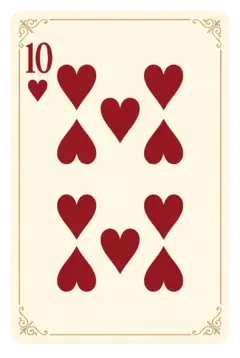

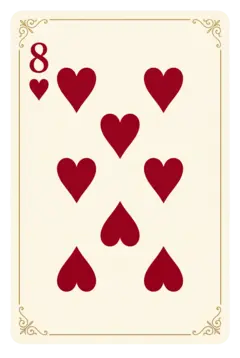
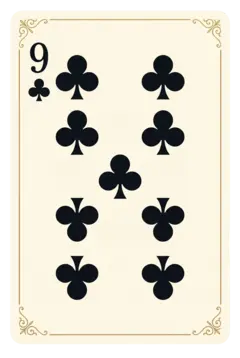
~32% equity vs. 25% price
Seven points of edge is not dramatic, and it is still a call. A wide gap earns chips faster and a narrow gap slower, but both earn.
Move the bet up and down and watch where the price crosses 32%:
Pot odds
Your price: ~25%
4,000 / (8,000 + 4,000 + 4,000)
You'll also run into…
With only one card to come, your equity roughly halves, because each out is worth about 2% rather than about 4%. The price is computed exactly the same way; only the number you hold against it shrinks.
And equity assumes your draw wins when it lands — a small flush can lose to a bigger one, so treat the percentage as an estimate rather than a guarantee. Any term still fuzzy here is one click away in poker terms for beginners.
Frequently asked questions
Should you always fold when your equity is below the price?
At this stage, yes. Later you will meet reasons a marginal call can still be right — chips you stand to win on later streets, or the chance an opponent folds. Those refine the comparison rather than replace it.
Practice this in Vibe Poker
Levels 18, 19, and 20 in the app practice exactly this — each takes about two minutes.
Free, play-money only. 18+.