
Poker Tournament Strategy: Playing One Stack With No Second Chance
Level 8 · Lesson 2 of 24 min read
What does having only one stack change?
Everything about a marginal call. Lose the last of a tournament stack and there is nothing to reload with, so a hand you would take a thin edge with elsewhere is a hand you can decline here without apology.
 Pot3,000
 Bet12,000
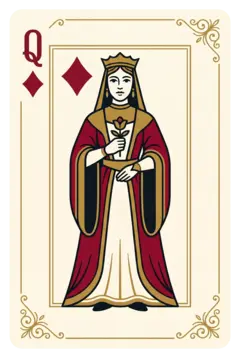
That does not make every fold correct. It makes the fold worth something on its own — you keep a stack, and a stack keeps playing. When to fold covers the reasoning at any table; a tournament simply pays it better.
Why does one hand play three ways in one tournament?
Because the blinds climb on a clock and your stack does not climb with them. Early on, a hundred big blinds sit behind every decision and there are three streets to work with. Later the same chips are twelve big blinds, and later still they are five.
Pot1,500Pot1,500By the last levels almost every hand is settled before the flop, which is the territory short stack poker covers in full. What is worth carrying is the habit: read the depth first, then the cards.
Why are the chips you win worth less than the chips you lose?
Because a tournament pays finishing places, not chip counts. Doubling your stack does not double what that stack is worth to you, while losing it takes away every place you had left to finish in. That asymmetry has a name — ICM, the model that puts a value on a tournament stack rather than counting its chips.
Pot3,000Bet22,000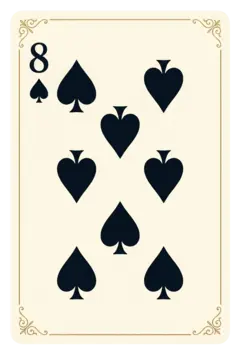
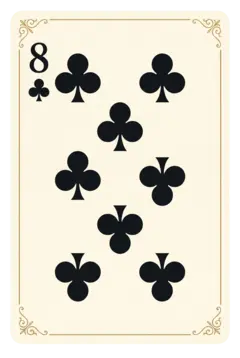
You do not need the model to use the conclusion. An even race is a fine thing to take when the chips are all that is at stake, and a poor one when the stack is also holding your place in the tournament.
Quick check
Twenty-five big blinds, four players left and three places pay. A shorter stack moves all-in and you hold A♥ Q♦, roughly a coin flip against their range. Call or fold?
When does folding gain the most value?
When the field is about to shrink past a paid place. Every player who busts moves you up without your putting a chip in, so the shorter stacks at other tables are doing work on your behalf.
Pot4,500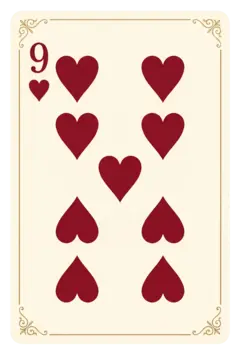
The effect is temporary and it is easy to overplay. Once the places are settled it disappears completely, and the player still folding everything is now simply blinding away a stack.
You'll also run into…
Re-entry events, where busting early buys another stack. That removes the one-life restriction for as long as re-entry is open, and every argument above weakens accordingly.
Rising antes, an extra forced bet from every player at the table. They make the pot bigger before anyone acts, which rewards taking it uncontested — the same reason a bet works so often heads-up.
Any term here that is new to you is defined in the poker terms glossary.
Frequently asked questions
Should a beginner play tight or loose in a tournament?
Tight early, wider late, and the reason is depth rather than nerve. A hundred big blinds gives an opponent room to outplay you after the flop, so a strong starting hand is worth waiting for; ten big blinds leaves no room for anyone to outplay anybody, so waiting only costs blinds.
Practice this in Vibe Poker
Short three-player matches, free play-money chips — the same concepts, at a real table.
Free, play-money only. 18+.