What Is GTO Poker? Game Theory Optimal, Without the Jargon
Level 94 min read
What does "unexploitable" actually mean?
That there is no adjustment an opponent can make which beats you. Play a fixed pattern and someone eventually finds it; play a strategy with no pattern and there is nothing to find.
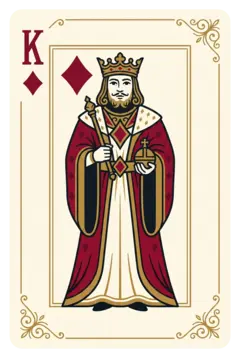
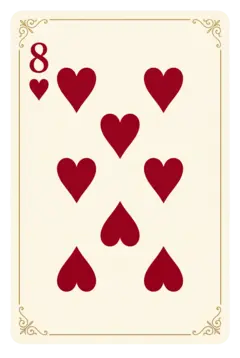
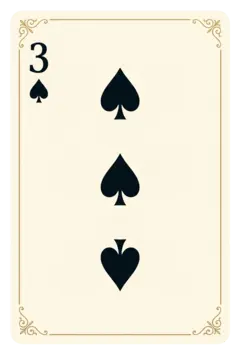
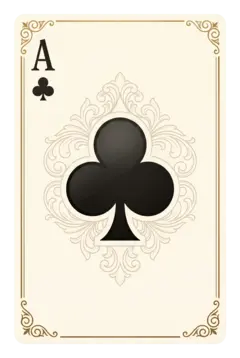
Note what unexploitable does not mean. It does not mean winning the most chips available. Against a player who folds far too often, a strategy with no counter leaves chips on the table that a strategy aimed at that player would collect.
Why does a balanced strategy bet two hands?
Because a bet that only ever means one thing answers itself. If the flop above is the only kind of hand you bet, every opponent folds and the pot stays small — the reward for a readable strategy is that nobody pays it.
So the two hands go in together, in a ratio rather than at random. A half-pot bet risks half a pot to win one, so as a bluff it breaks even at about a third — fold equity carries that arithmetic and what it does and does not predict. Balance means the strong hands and the bluffs arrive at a rate that leaves an opponent no better answer than any other.
That is the whole idea, and it is worth separating from how it gets used. How to bluff in poker covers when a bluff has a chance at all; balance is the reason to have some regardless.
Does GTO win more than playing the player?
Against a strong opponent, it is the safer strategy. Against a weak one it wins less, and that is not a criticism of the idea — it is what the idea is for.
A strategy with no counter breaks even against perfect play and profits from every mistake an opponent makes. A strategy aimed at one opponent profits faster from the mistakes that opponent actually makes, and loses when they stop making them. Reading which mistakes are on offer is what poker tells is about.
Most players you meet are not close to balanced. That is the argument for learning to read them before learning to be unreadable yourself.
What should a beginner take from it?
Two things, and neither requires a chart.
Do not be one-directional. If every bet you make is strong and every check is weak, your cards are face up. Betting some hands that have not made anything yet fixes it, and poker bet sizing decides how much once you do.
Do not fold too much to a bet. The mirror of the same rule: an opponent who sees you release every hand that missed will bet every flop, and take a pot each time.
Everything else in the theory sits above problems you do not have yet. Poker tips lists the ones you do.
You'll also run into…
Solvers. Software that computes the balanced strategy for a spot by working through the possibilities. They produce the ratios above rather than guessing them, and the answers are only as good as the spot the operator described.
"GTO charts." Preflop ranges taken from a solver's output. They are a specific case of a starting hands chart and inherit its limits, including that most of them are drawn for a table size you are not sitting at.
Any term here that is new to you is defined in the poker terms glossary.
Frequently asked questions
Is GTO poker actually solved?
Two-player limit Hold'em has been. No-limit Hold'em has not — the game is far too large — so what a solver returns for a real no-limit spot is a close approximation of one simplified version of it, rather than the answer to the game.
Keep learning
Heads-up poker is where balance matters soonest, because a single opponent has the most chances to notice a pattern.