
Heads-Up Poker: The Rules That Flip and the Hands That Widen
Level 8 · Lesson 1 of 26 min read
Why does the button post the small blind?
With two players there is no seat between the button and the blinds, so the button takes one of them. It takes the small blind, and that single rule inverts the order you learned at a full table.
 Pot1,500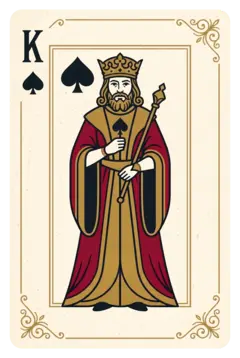
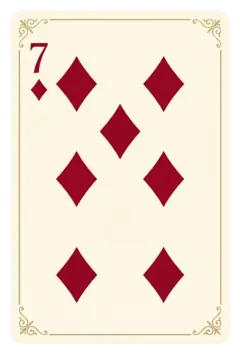
Before the flop the button acts first and the big blind answers last. After the flop it swaps: the big blind speaks first for the rest of the hand and the button answers every time. The reasoning is the same one that governs poker positions at any table size — whoever has already paid the larger blind gets the last word before the cards come out, and gives it up once they are out.
| Preflop | Flop, turn and river | |
|---|---|---|
| Button (small blind) | speaks first | answers last |
| Big blind | answers last | speaks first |
That table is the whole rule change. Everything below it is a consequence.
Which hands are worth playing heads-up?
Far more than you think, because you are one of the two blinds in every single hand. There is no folding for free and waiting for a better seat — fold and you have paid, every time.
Pot1,500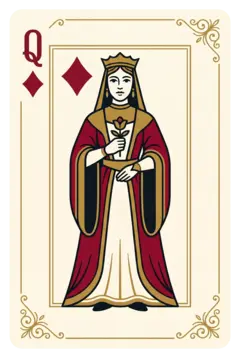
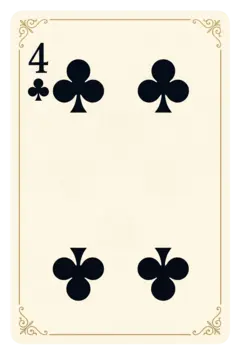
The other reason is what you are up against. A player who has to defend every big blind cannot be selective, so their holding is closer to a random hand than to the tight opening range best starting hands describes. Ace-king wins about 67% against a random hand. So does a great deal else.
Queen-four offsuit is not a good hand. It is a good enough hand when the alternative is surrendering a big blind, and that alternative is the one you actually face.
Why does the same pair play stronger heads-up?
Because only one hand has to be beaten, not eight. Top pair is a hand you protect and get paid on rather than a hand you nurse.
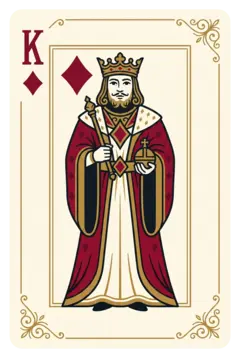
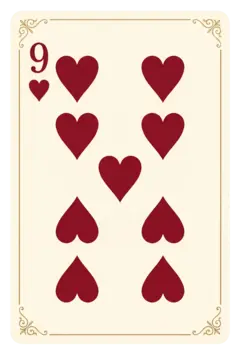
About 44% of finished Hold'em hands are one pair, which poker hand probabilities works through in full. At a full table that pair has eight chances to be beaten. Heads-up it has one, and the same card that made it now makes it good.
Hand values do not change. The number of opponents who might have better does, and every read you have about "strong" and "weak" was calibrated against a table with more of them.
How much does position matter with two players?
More than anywhere else, and you get exactly half of it. The button is yours every second hand, and in those hands you answer last on the flop, the turn and the river without exception.
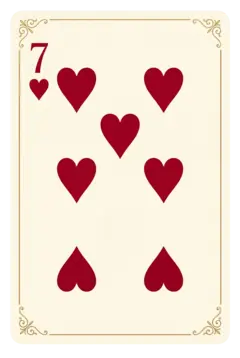
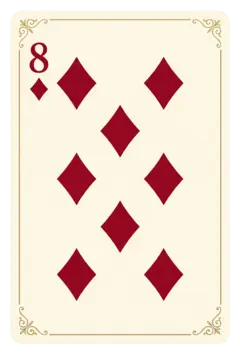
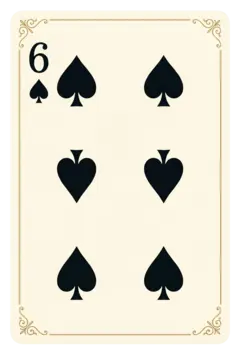
In the other half you are the one speaking first, which is the disadvantage out of position covers. Heads-up it repeats every second hand rather than occasionally, so the seat is worth learning to play rather than worth waiting out.
What does aggression buy heads-up?
The pots nobody hit. Both players see three cards that were dealt to neither of them, and most of the time those three cards miss both.
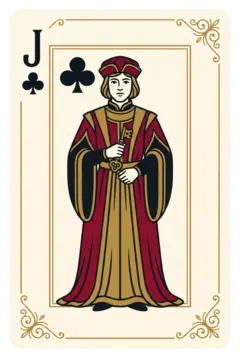
Whoever puts in a bet claims those pots. This is the ordinary logic of a continuation bet with the frequency turned up: at a nine-handed table someone usually connects, so betting into five players is a claim you have to back. Heads-up there is one hand to get through and it missed as often as yours did.
The correction, before it becomes a habit worth losing money on: betting more often is not betting bigger. Sizes are set by the board and the pot, exactly as poker bet sizing sets them at any table.
What is the first adjustment to make?
Find out which mistake your opponent is making, then make the opposite one on purpose. Heads-up you get a reading every few minutes rather than every few orbits, so the answer arrives fast enough to use.
Pot9,000 Bet4,500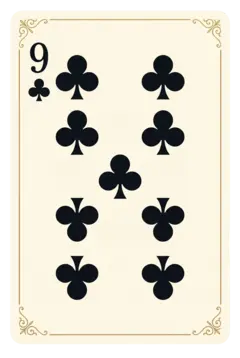
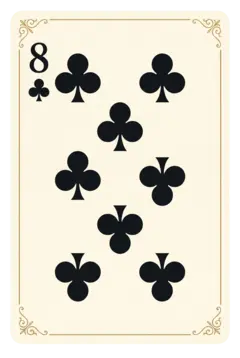
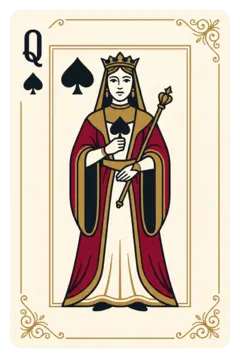
Two mistakes cover most opponents. Against a player who folds too much, bet more hands and give up on fewer of them — every extra fold is a pot you bought at no risk. Against a player who calls too much, stop bluffing and bet your good hands larger, because a caller pays for the hands that are ahead and cannot be talked out of anything.
Both adjustments are exploitative: they win more than a fixed strategy against this opponent, and they lose to an opponent who notices and switches. That trade is the whole subject of what GTO poker is, and heads-up is where it stops being theoretical.
You'll also run into…
Blind versus blind. At a fuller table, a hand where everyone folds to the small blind is a heads-up hand under a different name, and every adjustment above applies to it.
The end of a tournament. Every tournament that pays a winner finishes heads-up, which is why the format is worth learning even if you never sit down at a two-player table on purpose. Poker tournament strategy covers what the blinds are doing by the time you get there.
Any term here that is new to you is defined in the poker terms glossary.
Frequently asked questions
Does the dealer button still move heads-up?
Yes, every hand, the same as anywhere else. With two players it alternates, so you post the small blind and the big blind on strictly alternating deals and neither player can be stuck in the expensive seat.
Is heads-up poker more luck than a full game?
Over one match, yes — fewer players and wider ranges mean the better hand is a smaller favorite more often. Over many hands the opposite holds, because you play every pot rather than a fifth of them, so skill differences compound faster than they do at a full table.
Practice this in Vibe Poker
Short three-player matches, free play-money chips — the same concepts, at a real table.
Free, play-money only. 18+.