
Community Cards in Poker: The Five Cards Everyone Shares
Level 1 · Lesson 7 of 83 min read
Who do the community cards belong to?
Every player still in the hand, at once. Five cards are dealt face up in the middle of the table — the board — and no player owns any of them.
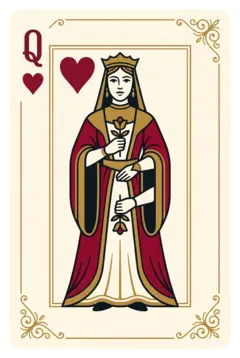
They arrive in three stages: three cards, then one, then one, with a round of betting after each. Texas Hold'em rules covers that sequence and the burn card in front of it.
What does a shared card do for everyone else?
Whatever it does for the hand it fits best. A card that misses your two entirely can finish somebody else's.
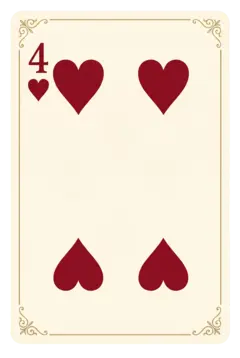
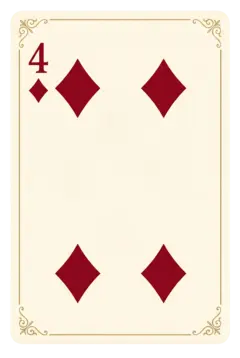
Nothing about your two cards changed between those two pictures. What changed is the reading — three cards on the table are three cards available to everyone at it.
So build the habit in two steps. Name your own hand. Then name the best hand the board is capable of making for someone else.
Which boards give the most away?
Three shapes hand a made hand to anyone holding the right two cards.
| What the board shows | What it hands out |
|---|---|
| Two cards of the same rank | three of a kind, to anyone holding that rank |
| Three cards of one suit | a flush, to anyone holding two more of it |
| Three cards in a run | a straight, to anyone holding the ends |
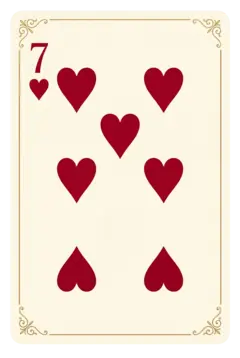
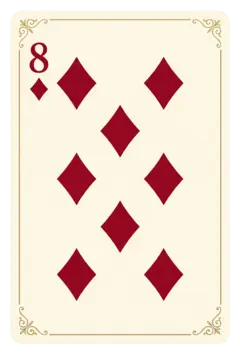
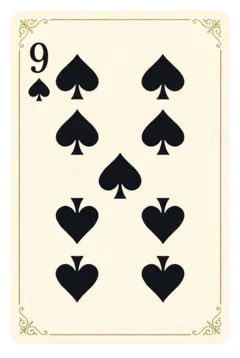
None of this says the board has made someone a hand. It says what your price should be when you are the one betting into it — poker bet sizing carries that decision.
Quick check
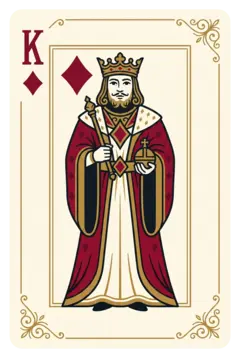
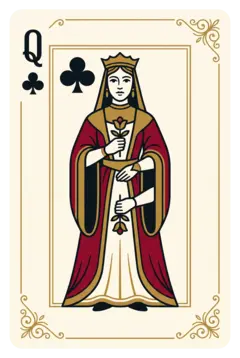
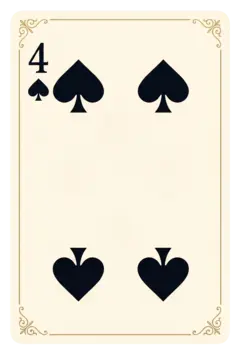
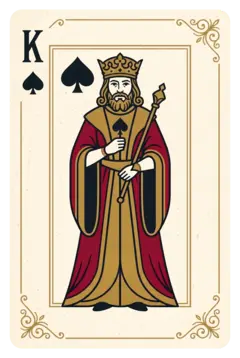
You hold K♠ Q♥ and the turn brings a second four: K♦ Q♣ 4♠ 4♥. Whose hand improved more, yours or an opponent's?
Does the board ever decide the hand by itself?
Sometimes the best five cards available are all on the table, and then everyone left holds the same hand — playing the board covers what that looks like. Short of that, your hand is the best five of the seven you can see, so one of your cards may play, or both, or neither: the best-five rule.
Any term here that is new to you is defined in the poker terms glossary.
Frequently asked questions
Does every poker game use community cards?
No. They are the defining feature of Texas Hold'em and Omaha. Seven-card stud and five-card draw deal every card to a player, so nothing is shared and no board exists.
Practice this in Vibe Poker
Read the board before you name your hand — Levels 6 and 7 in Vibe Poker take about a minute. Free, play-money.
Free, play-money only. 18+.