
Poker Bet Sizing: How Much to Bet and Why
Level 7 · Lesson 1 of 76 min read
What price does your bet offer?
A bet is a fraction of the pot, not a fraction of your stack. That fraction is the whole decision, because it sets the price the player facing it is offered. Put half the pot in and the price comes out like this:
Pot 8,000 · you bet 4,000
They call 4,000 to win 16,000 → 25%
 Pot8,000
 Bet4,000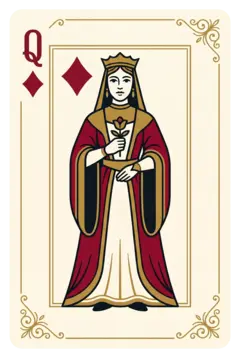
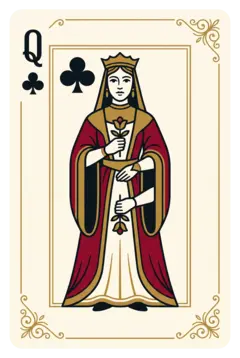
Anything with more equity than that price can call and profit. Anything with less loses chips by calling. So pick the size by the price you want them to face, and let the chip count follow.
The arithmetic behind those percentages is worked hand by hand in pot odds. What a bet legally is, and how small a raise is allowed to be, live in poker betting rules.
One condition sits under all of it: both players need chips behind. Once a stack is shorter than the size you picked, depth decides instead — short stack poker covers that case.
Quick check
You bet 4,000 into an 8,000 pot. What share of the time does your opponent need to win for calling to break even?
When should you bet for value?
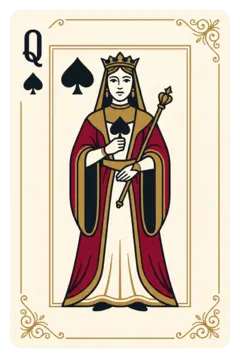
When you are probably ahead and a worse hand can still call. That pairing is a value bet. You hold A♠ Q♦ on A♥ 7♣ 2♠ — top pair with a strong kicker — and your opponent checks to you.
Pot6,000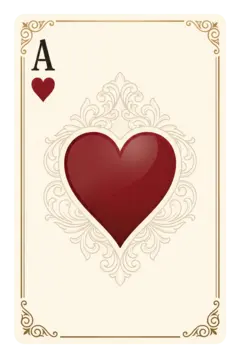
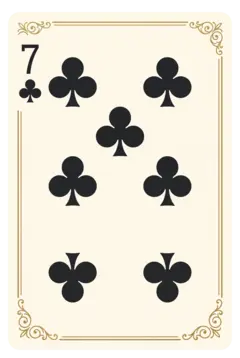
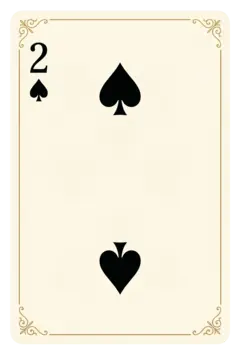
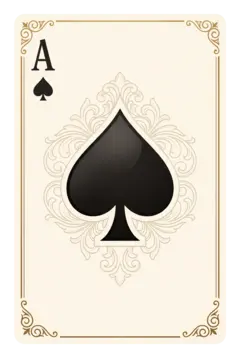
Checking behind — checking when you are last to act — ends the round and adds nothing. The hands that can pay one bet here are all behind you right now:
- a weaker ace
- a pair of sevens
- a small pocket pair that has not given up
Size the bet by what those hands can afford. Half the pot keeps all of them in the decision. A pot-sized bet folds most of them out, and you win a pot nobody added to.
A check from your opponent is not a surrender. Players check strong hands, weak hands and draws alike. A check tells you the round is yours to price, not that the hand is won.
Two named moves grow out of this spot. Betting the flop after you raised before it is a continuation bet; checking a strong hand on purpose is slow playing.
How do you make a draw pay?
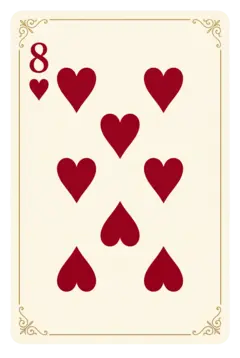
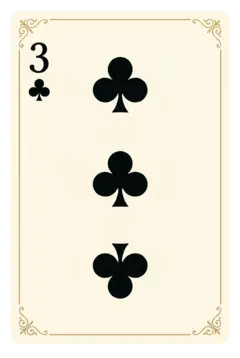
By betting while the cards that beat you are still to come. You hold 9♣ 9♠ on 9♥ 8♥ 6♣ — top set on a wet board, meaning one carrying live flush and straight cards. A dry board is the opposite, like the A♥ 7♣ 2♠ above: almost nothing on it is drawing at anything.
Pot6,000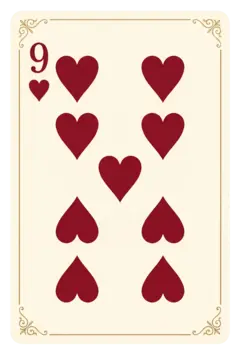
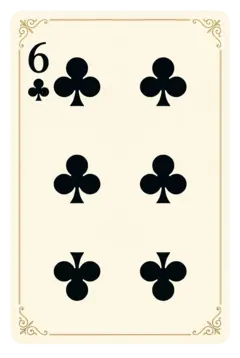
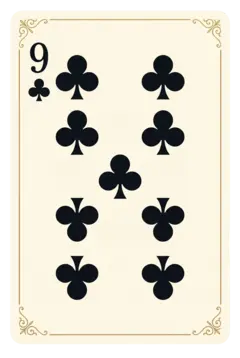
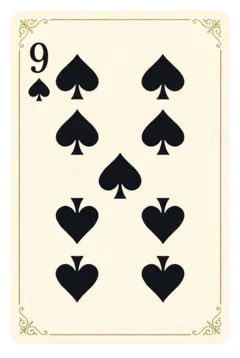
Check, and a flush draw sees the turn for nothing. Bet, and the same card costs chips. Set the size against what the draw is worth:
Nine outs → about 35% by the river
Quarter-pot bet → a price of ~17%
Two-thirds-pot bet → a price of ~29%
Neither price is above what the draw is worth, so neither call is a mistake. You cannot price a flush draw out of the hand, and you do not need to. It misses about two times in three, and every one of those times it paid you to miss.
Checking has a second cost that arrives one card later. If a heart lands on the turn, you are guessing whether the draw got there. You also have none of their chips to show for the flop.
So on a board like this one, take the larger end of the standard sizes. The wetter the board, the more a free card costs you, and the higher your price should be. When you are not the player with the option to bet, the check-raise makes the same draws pay from the other seat.
Standard bet sizes and the price of each
Five sizes cover almost every decision after the flop, and each one hands the caller a fixed price.
| Bet size | The caller's price |
|---|---|
| Quarter-pot | ~17% |
| Third-pot | 20% |
| Half-pot | 25% |
| Two-thirds-pot | ~29% |
| Pot-sized | ~33% |
That price is the caller's problem, which equity vs pot odds works through in full. Read the same sizes from the bluffer's side and each one has a rate it has to work at instead. A pot-sized bluff needs 50%, and fold equity takes that reading as a subject of its own.
Should your bet size depend on your hand strength?
It should depend on the board and on the hands you want to call — not on how strong your own hand feels. The two flops above make the case, and the wet one is the one that earns the larger size.
A size that tracks your hand strength is a size that can be read. Bet big only when you are strong, and the opponents who notice will fold exactly when you wanted a call.
When nothing about the board argues either way, half to two-thirds of the pot fits most flops. Raises before the flop run on their own convention — a 3-bet is sized against the raise it answers. Any word here that has not landed yet is defined in the poker terms glossary.
Frequently asked questions
Why does the same bet size cost more on every street?
Because the pot grows with every call. Half the pot on the river can be several times half the pot on the flop, with nothing about your choice having changed. The chips behind you shrink at the same rate. That is why an early size decides how many bets the hand still has room for.
What is an overbet?
A bet larger than the pot. It offers the caller a worse price than any size in the table above, so far fewer hands can profitably continue. It is a specialist choice rather than a default.
Practice this in Vibe Poker
Pick the size yourself — Levels 33 and 34 in Vibe Poker take about two minutes. Free, play-money.
Free, play-money only. 18+.