
Out of Position in Poker: Why Acting First Costs You
Level 1 · Lesson 6 of 84 min read
What does acting first cost you?
You commit chips before you learn anything, and your opponent answers knowing exactly what you did.
 Pot4,000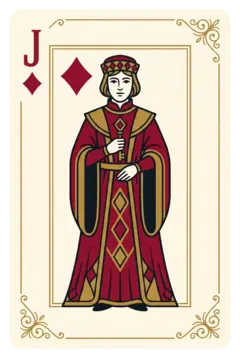
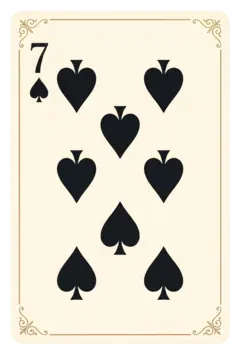
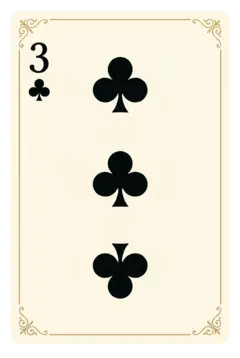
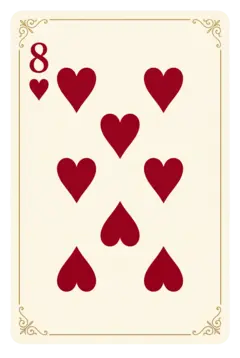
You are out of position here: the button acts after you on this round and on every round that follows. Both of your options hand something over.
Bet, and worse hands fold while better hands raise. The pot grows mostly in the cases where you are behind.
Check, and the button bets whenever you look weak, which is what a continuation bet is for. Now you are answering a price instead of setting one.
You hold the button one hand in three. On the other two, someone acts after you all the way to showdown. A three-handed table gives you no stretch of folded hands to sit out. Poker positions sets out which seat acts when.
Why does it get worse after the flop?
Pot7,000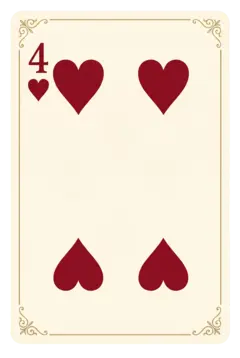
The flop, the turn and the river all run in that same order. Each round costs more than the last, because the pot has grown.
That is why the flop call is the decision worth slowing down for. A hand you can call once is often a hand you cannot call twice more. Acting first rarely lets you stop after one call.
Work out on the flop what you will do when a turn bet arrives. If the answer is fold, folding the flop costs less — when to fold covers doing it early.
How do you defend the big blind?
Defending your big blind means calling a raise when your blind is already in the pot. Two things decide whether it is worth it, and they disagree.
Pot3,500 Bet1,000
The discount is real. Part of your price is already posted, so this raise asks for less than its size suggests. Small blind vs big blind covers what those posted chips are worth. It is why a min-raise gets called with hands a larger raise would fold out.
The cost is position, and it is paid on every street after this one.
Fold too much and the button raises every hand without resistance. Call too much and you play a pile of pots with the button behind you.
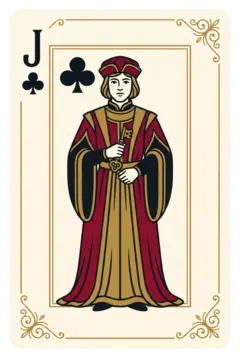
At this price J♣ 8♥ is a call. Pair the jack and you hold top pair with a weak kicker, out of position. That is the shape that costs the most from this seat, so take the flop cheaply rather than build a pot with it.
Quick check
The Button min-raises and you hold J♣ 8♥ in the big blind. What does the posted blind buy you?
You'll also run into these
- A strong hand does not mind acting first. When you want the pot to grow, betting into a player who has to respond does exactly that. The disadvantage lands on medium hands — good enough to continue with, not good enough to bet twice.
- Acting first has one real use. Check a hand you always meant to raise, and let the button bet into it. The check-raise turns the information you gave away into a bigger pot.
Unfamiliar words are defined in the poker terms glossary.
Frequently asked questions
What does "in position" mean?
It is the other half of the same order. You are in position on any opponent who acts before you, and out of position on anyone who acts after you. The terms describe a pairing, not a seat. In a three-way pot you can be in position on one player and out of position on the other.
Practice this in Vibe Poker
Play both sides yourself — Levels 31 and 32 in Vibe Poker take about two minutes. Free, play-money.
Free, play-money only. 18+.