
How to Play Poker: A Beginner's Guide
Level 1 · Lesson 1 of 86 min read
What happens before anyone sees a card?
Two players put chips in before the cards are dealt. These forced bets are the blinds — one small, one big — and they exist so that every hand has something in the middle worth playing for.
A marker called the button sets who posts the blinds and who acts last, and it moves one seat after each hand. Poker positions covers what each seat is called and why acting last is worth so much.
Then everyone is dealt two cards, face down, that only they can see.
What do you do with your two cards?
This first round is preflop. You have two cards and no shared cards yet, so the only information you have is how well your two work together.
 Pot1,500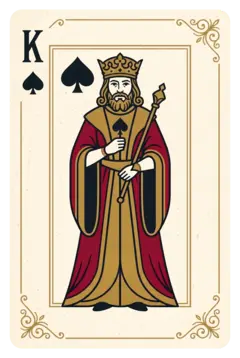
Action moves one player at a time. When it reaches you, you put in the amount it costs to stay — a call. Putting in more than that is a raise. Giving up the hand, and losing nothing further, is a fold. If nobody has raised and you are already in for the full amount, you can check and see the next card for free.
Poker betting rules covers exactly when each of those is legal. Rule detail is in the Texas Hold'em rules reference.
Fold far more often than feels natural. Most two-card combinations are not worth chips, and the players who lose steadily are the ones who play every hand they are dealt.
The flop: three cards everyone shares
Three cards go face up in the middle at once. They belong to everyone — you and every opponent build a hand out of the same three.
Pot3,000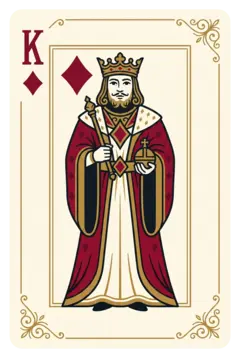
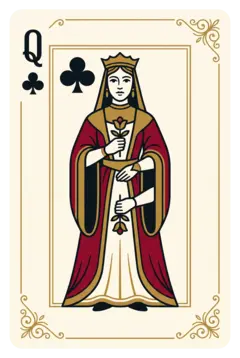
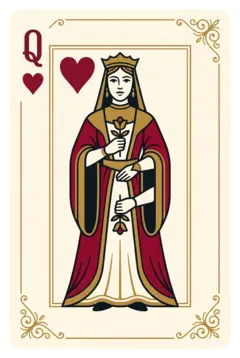
Your king pairs the board's king and your queen pairs its queen. That is two pair, and it is a strong holding this early.
Another round of action follows, and it works exactly like the first: check, bet, call, raise, or fold. The difference is that everyone can now see three-fifths of the final hand.
The turn and the river: one card at a time
A fourth card arrives — the turn — with another round of action after it.
Pot6,000
Then a fifth and final card, the river, with a last round of action. Five shared cards, four rounds, and the hand is complete.
Each new card can improve any player's hand, including an opponent's. A hand that was clearly best on the flop is not guaranteed to still be best on the river, which is why there is a round of action after every single card. Each of those rounds also leaves more chips in the middle than the last, so the river decision is usually the expensive one.
What hands are you trying to make?
One fixed ladder settles every showdown, and it runs from four of a kind and better at the top down to no pair at all at the bottom.
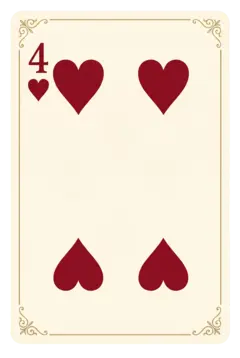
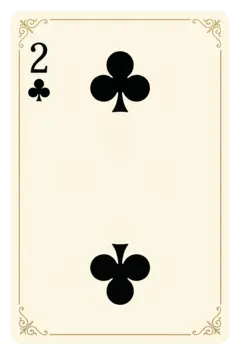
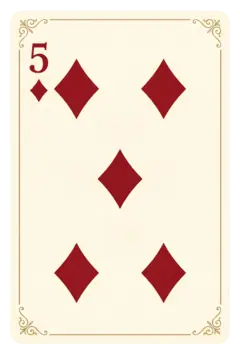
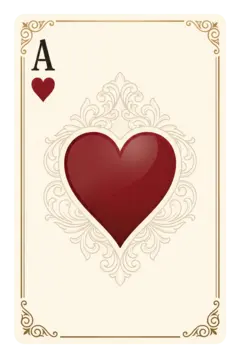
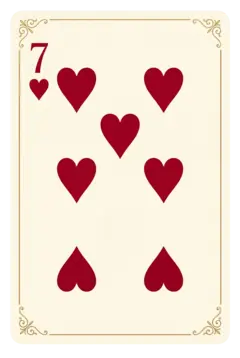
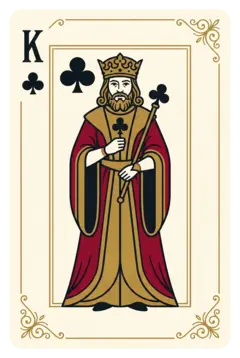
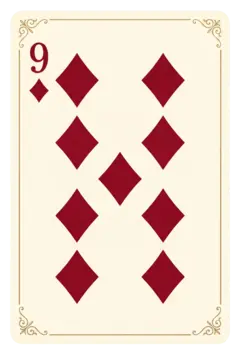
Five hearts make a flush. Two pair — kings and nines — is a real hand and it loses here without ever being close, because the ladder is not a matter of degree. A hand either outranks another or it does not.
You do not have to memorise all ten categories before your first hand. You do have to know that the list exists and is not negotiable, and the hand rankings put them in order with an example of each.
Showdown: how the winner is decided
If two or more players are still in after the last round, they turn their cards face up. This is the showdown.
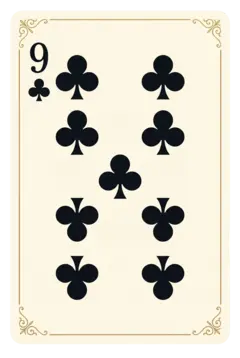
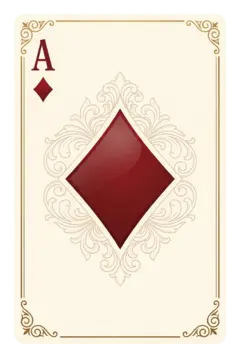
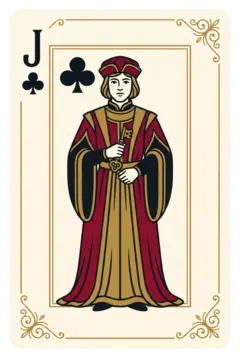
You have seven cards available — your two plus the five shared — and exactly five of them count. Pick the best five and discard the rest; that is the best-five rule, and it is the one piece of counting that trips up almost every new player. Here your best five are the two kings, the two queens and the nine.
Your opponent holds an ace and a jack, which pair nothing. Ace-high loses to two pair, and the ladder above settles it without argument.
Most hands never reach showdown
A hand also ends the moment everyone but one player folds. That player takes the pot and never shows their cards.
Pot3,000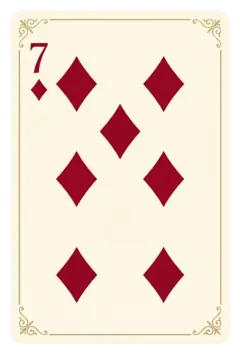
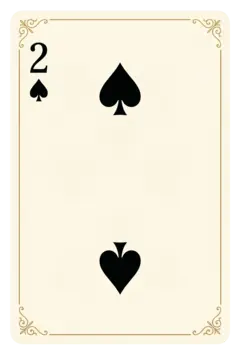
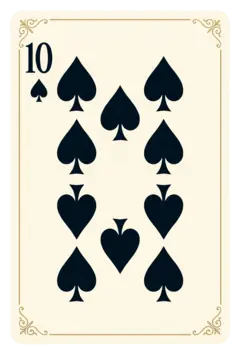
Say you bet here and both opponents give it up. The dealer pushes the pot to you with your cards still face down, and you never find out what they were holding. They never find out what you were holding either, which is why the same two cards can be played differently the next time you hold them.
Notice what did not happen: no hand was compared to any other, so the ranking ladder never came into it at all.
This is not an edge case — it is the ordinary outcome. You do not need the best hand to win a pot; you need everyone else to stop wanting theirs. It is also why folding is not a failure.
If a word here is unfamiliar, the poker terms glossary defines each one against the lesson that teaches it.
Frequently asked questions
How many players do you need?
Two is enough, and nine or ten is the practical maximum at one table. Fewer players means more hands per hour and more forced bets per round, so the game plays faster and looser. More players means being far more selective about which two cards you continue with.
Practice this in Vibe Poker
Levels 1 and 2 in the app practice exactly this — each takes about two minutes.
Free, play-money only. 18+.