
Poker Betting Rules: How to Check, Call, Raise and Fold
Level 1 · Lesson 3 of 84 min read
When are you allowed to check?
Only when nothing is owed. If no one has put chips in this round, you can check — stay in the hand, pay nothing, and pass the turn along.
 Pot3,000
The moment someone bets, checking is off the table for everyone behind them. Your remaining choices are to match, to raise, or to fold. The full structure these actions sit inside is in the Texas Hold'em rules reference.
There is one exception worth knowing before you sit down, and it is preflop. The big blind is a bet, posted before anyone has seen a card, so nobody can check preflop except the big blind — and only if no one raised.
What separates a call from a raise?
A call matches the largest amount put in so far. A raise puts in more, which resets the round and forces everyone still in to answer the new number or fold.
Pot6,000 Bet1,500
The distinction that matters is not the chips, it is who is under pressure afterwards. Call and the hand moves on. Raise and every opponent has to find a reason to keep going.
A bet and a raise are the same action with different names: the first chips into a round are a bet, anything after that is a raise.
What is the minimum raise?
Whatever the previous aggressor put in, you have to add at least that much again. An opponent bets 1,500, so the smallest legal raise makes it 3,000:
1,500 called + 1,500 raised = 3,000
Pot9,000Bet1,500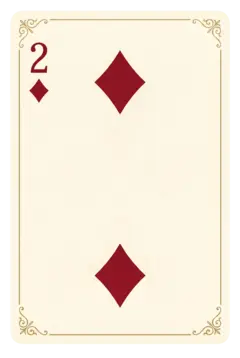
There is no ceiling. No-limit means the maximum is every chip you have in front of you, and the same minimum applies preflop, where the big blind is the bet being raised — so the smallest opening raise is twice the big blind.
Quick check
An opponent bets 2,000 into the pot. What is the smallest raise you are allowed to make?
When should you fold?
When the chips it costs to continue are worth more than your chance of winning them back. Folding is free, immediate, and available on every turn.
Pot4,000Bet3,000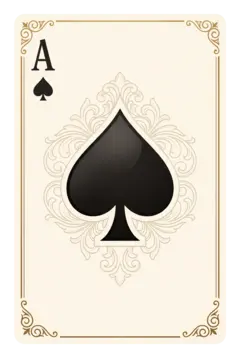
Chips already in the pot are not yours and cannot be rescued by putting in more. That instinct — the sense that folding wastes what you have paid — costs new players more than any other single mistake. When to fold works through it properly, and pot odds turns the judgement into a number you can check.
You'll also run into these
- All-in for less than a full raise. A short stack can put in more than a call but less than a legal raise. The extra chips stand, but the round is not reopened: anyone who has already acted may call or fold, not re-raise.
- String bets. Announce the amount or push it in with one motion. Reaching back for more chips after your hand leaves the stack is not allowed at a live table, because a two-part motion lets you read reactions mid-bet.
- Acting out of turn. Wait for the action to reach you. Acting early gives away information the players between you have not paid to see.
All-in has its own entry in the poker terms glossary; string bets and acting out of turn are procedural rules, and both are defined above.
Practice this in Vibe Poker
Levels 23, 24, and 25 in the app practice exactly this — each takes about two minutes.
Free, play-money only. 18+.