
Poker Draws Explained: Flush Draws, Straight Draws & More
Level 3 · Lesson 1 of 56 min read
The flush draw
The most famous draw in poker: two hearts in your hand, two on the board, one short of the five you need.
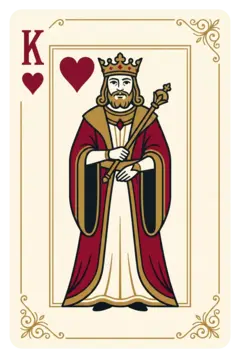
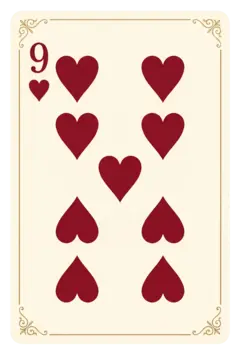
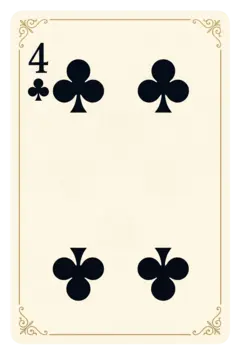
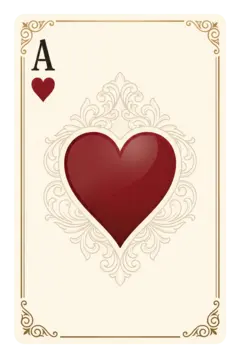
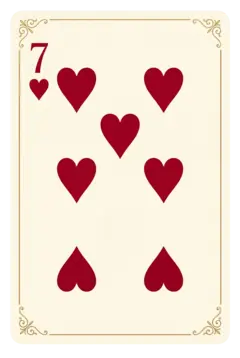
Thirteen hearts start in the deck and four are already visible, which leaves nine outs — the most of any single draw. They arrive by the river ~35% of the time, and the hand they make sits near the top of the poker hand rankings.
Every percentage on this page is counted the same way: from the flop, with the turn and the river both still to come.
The shape can also run the other way — one heart in your hand, three on the board. Same count, weaker hand, and the full flush draw guide explains why.
The open-ended straight draw
A straight draw is four cards toward a straight, and it comes in two shapes that are far from equal. The better one is open-ended: your four cards sit in an unbroken row, so a card at either end finishes it.
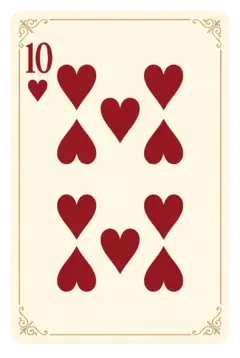
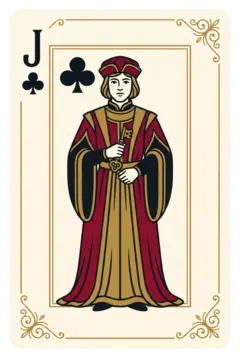
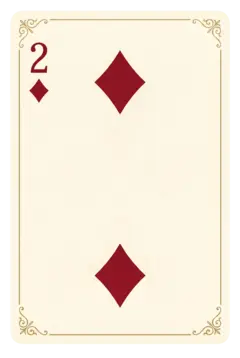
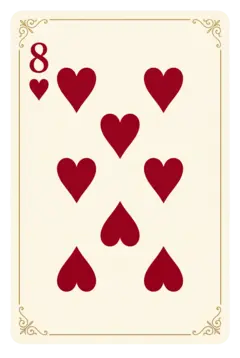
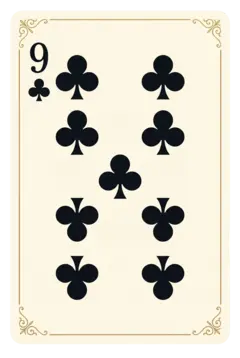
Two ranks complete this hand — any 7 or any queen — for eight outs, and eight outs arrive ~32% of the time.
Straight draws also hide well. Two suited cards catch every eye at the table; four ranks loosely in a row slip past players who would never miss a flush draw. The open-ended straight draw guide covers the counting, plus the shapes that only pretend to be open-ended.
The gutshot straight draw
The other shape is the gutshot: four cards toward a straight with the hole in the middle. You hold 8♣ 9♦ and the flop comes J♥ Q♠ 2♣.
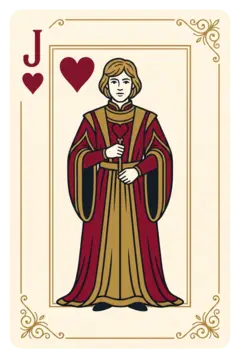
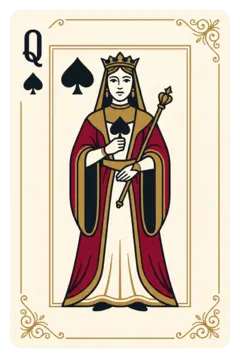
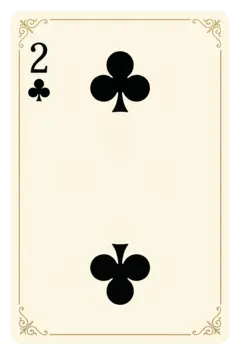
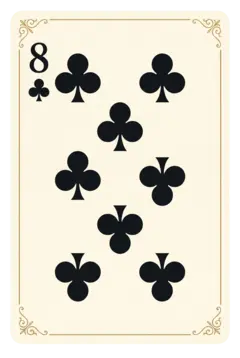
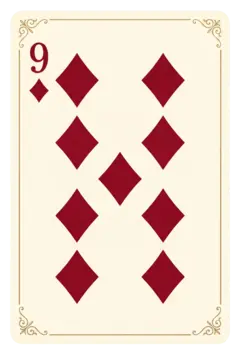
Only a 10 finishes this straight: one rank instead of two, four outs instead of eight, and ~17% by the river. That makes it the weakest draw most players will chase. It needs a cheap price or extra reasons to continue — the gutshot straight draw guide covers both.
The combo draw
The strongest draw is really two draws sharing one hand. Hold 8♥ 9♥ on a flop of 10♥ J♥ 2♣ and you are drawing at two hands at once.
Any heart completes a flush; any 7 or queen completes a straight. Count the overlapping hearts once and you hold fifteen outs, which arrive ~54% of the time — better than a coin flip, from a hand that has not made so much as a pair. The combo draw guide shows how the fifteen are counted without double-counting.
When the flop gives you nothing
Most of the time, none of this happens. You hold two reasonable cards, the flop lands, and nothing connects:
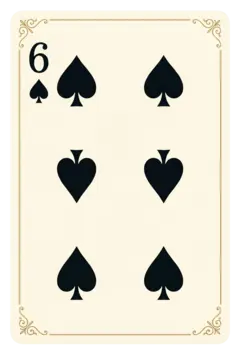
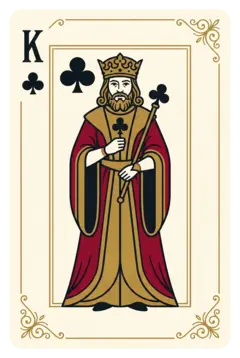
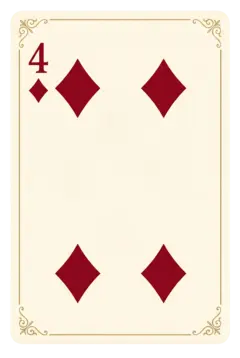
Most flops miss you. That is normal.
A player who cannot name the miss starts inventing draws that are not there and paying to chase them.
How the draws compare
| Draw | Outs | Chance by the river |
|---|---|---|
| Flush draw | 9 | ~35% |
| Open-ended straight draw | 8 | ~32% |
| Gutshot straight draw | 4 | ~17% |
| Combo draw | 15 | ~54% |
The combo draw is the only hand here that completes more often than not.
These are the same figures the engine that grades the puzzles in Vibe Poker computes. The counting system behind them is its own topic, covered in poker outs and odds, and any term still new here is defined in poker terms for beginners.
Whether a draw is worth continuing with depends on what the call costs against what the pot would pay. That comparison is called pot odds.
Quick check
You hold 8♥ 9♣ and the flop comes 10♥ J♣ 2♦. What are you drawing to, and how often does it arrive by the river?
Draws that look better than they are
Two hands get mistaken for real draws often enough to earn a warning.
- Three cards to a flush — a backdoor draw. It needs both the turn and the river to cooperate, which is far too rare to build a decision on. Treat it as a small bonus on top of a real hand.
- A pocket pair drawing to three of a kind — genuine, but thin.
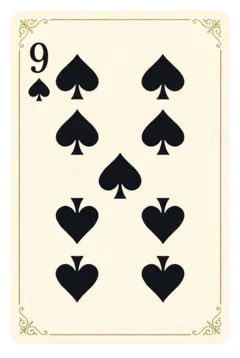
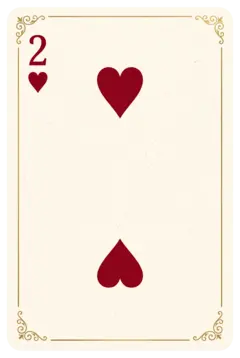
This one is invisible in a way the others are not. A flush draw or a straight draw is written on the board for everyone to read, so opponents can see the danger and price you accordingly. A pocket pair improving to three of a kind shows nothing until it arrives, which is what makes the rare hit worth so much. The play has its own name, its own rules, and its own guide — set mining.
Frequently asked questions
What happens to a draw on the turn?
Its chances shrink, because one card is left instead of two. Each out is now worth roughly 2% rather than about 4%, so a draw on the turn is worth about half its flop number. Nothing about the hand changed — only the time it has left.
Can you have a made hand and a draw at the same time?
Yes, and those hands are stronger than either part alone. A pair with a flush draw can win two ways: by staying the best hand, or by improving. Hands like that are worth playing more aggressively than a bare draw, because you no longer need to improve in order to win.
Practice this in Vibe Poker
Levels 10, 11, and 12 in the app practice exactly this — each takes about two minutes.
Free, play-money only. 18+.