
Slow Playing in Poker: When Trapping Works and When It Costs You
Level 7 · Lesson 4 of 74 min read
Why slow playing usually costs you chips
Slow playing, also called trapping, passes up a bet with the best hand in the hope of collecting more later.
 Pot6,000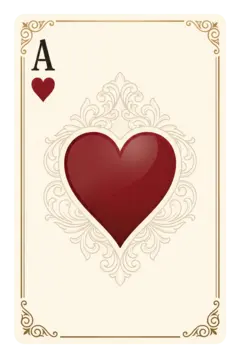
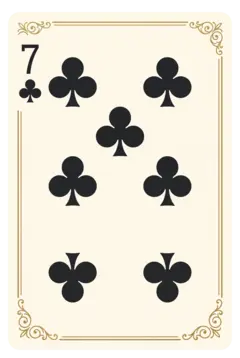
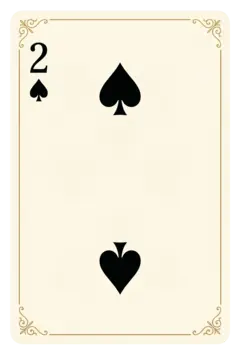
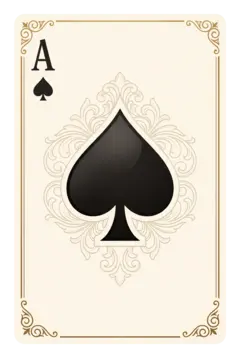
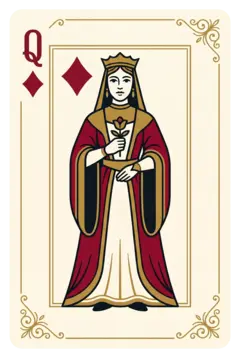
Bet, and a worse ace, a pair of sevens or a stubborn pocket pair pays you. Check, and all of those hands see the turn for free, and a few of them arrive there in front of you.
How much to bet is the bet sizing question. Whether to bet a strong hand is the easier one. Betting is the default, and slow playing needs a specific reason every time.
What a free card costs you
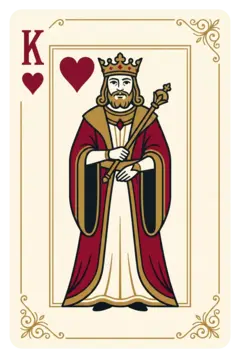
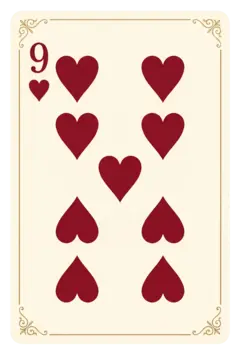
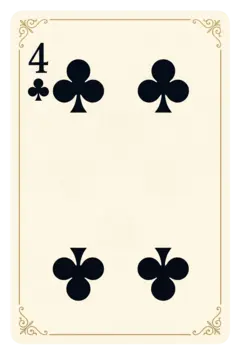
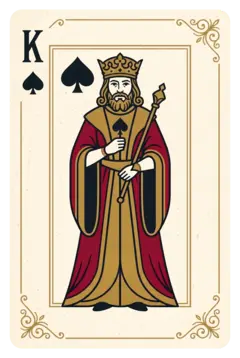
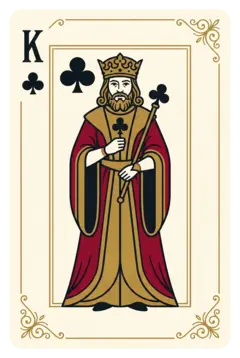
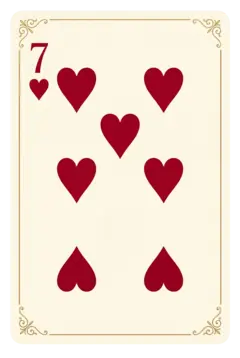
Your set of kings is ahead of that flush draw right now, and about 35% of the time it gets there anyway. A check hands over that chance for nothing. Bet, and your opponent either folds or pays to keep drawing.
Check the turn as well and you give it away a second time.
A bet does not need to win the pot immediately. The hands that call and miss are where your best hands make their money.
What are the nuts in poker?
The nuts is the best hand possible on a given board — no two cards an opponent can hold will beat it. Four hearts on the board and A♥ 7♥ in your hand is one:
Pot10,000 Bet10,000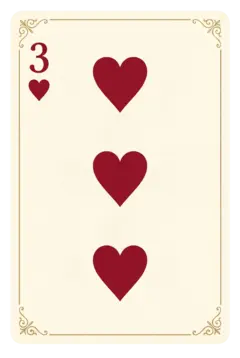
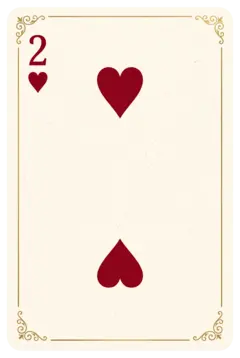
Read it off the hand rankings: the board never paired, so nobody has a full house, and its hearts are too scattered for any straight flush. Every other flush loses to your ace.
Your opponent has bet 10,000 into a pot of 10,000 on a board that should frighten them. This is where the urge to hide a hand is strongest.
Quick check
You hold the nuts and your opponent bets 10,000 into a pot of 10,000. Which line wins the most chips?
When is slow playing actually right?
Three things have to be true at once.
- Nothing can outdraw you. No flush or straight draws on the board, or you already hold the nuts.
- A bet wins nothing extra. Every hand worse than yours folds to it, so there are no chips to collect.
- Your opponent bets when you don't. Against a player who checks behind, a check just ends the street.
Pot6,000Bet3,000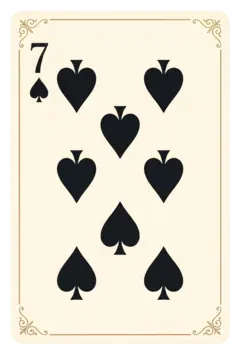
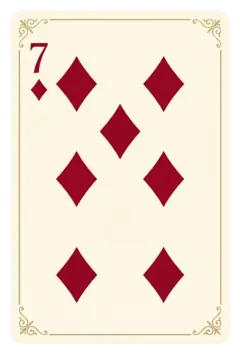
You hold three sevens. Nothing realistic draws out: a flush needs two more of a suit, a straight two perfect cards. The hand your opponent is betting will often fire again on the turn. Raising folds out their bluffs; calling keeps them betting.
Miss any one of the three conditions and bet. Checking a strong hand to raise the same street is a check-raise. That move makes draws pay instead of giving them a card. Any term above that is new to you is defined in the poker terms glossary.
Frequently asked questions
Does slow playing work against beginners?
It works worst against them. Inexperienced opponents rarely bet when checked to, so the trap has nothing to catch. They also call far too often. A straightforward bet already collects the chips you were trying to win by hiding.
Practice this in Vibe Poker
Play the two spots this article is built on — Levels 29 and 30 in Vibe Poker take about two minutes. Free, play-money.
Free, play-money only. 18+.