
How to Bluff in Poker: When It Works and When It Doesn't
Level 7 · Lesson 5 of 76 min read
When does a bluff actually work?
When the hand you are claiming is one the other player believes you could hold.
 Pot12,000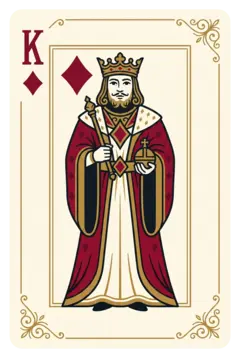
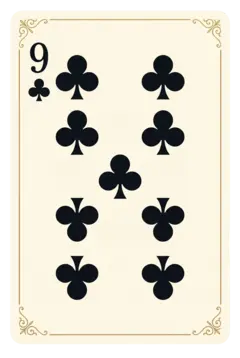
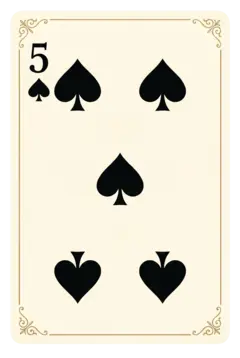
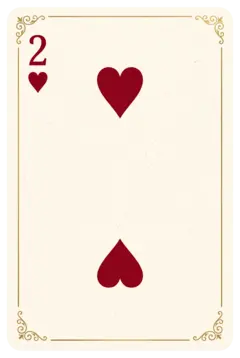
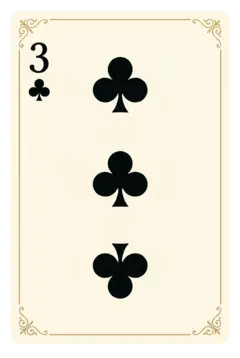
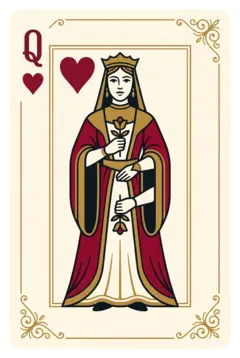
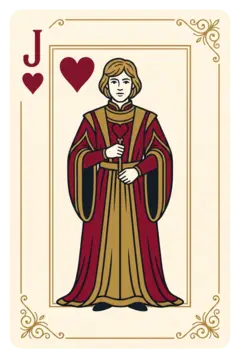
You hold Q♥ J♥ on K♦ 9♣ 5♠ 2♥ 3♣. You were drawing to a straight, the ten never came, and the hand wins nothing at showdown. Your opponent checks.
A bluff is a bet made with a hand that cannot win at showdown, played to fold out a better one. Q♥ J♥ is exactly that hand, and the 12,000 chips already in the middle are what the bet plays for.
Three conditions decide whether the bet is worth making:
- The board carries a strong hand you could credibly hold.
- The other player still holds hands weak enough to fold.
- Your own hand wins nothing if you check it.
All three hold here. The king is the highest card on the board, and 2♥ 3♣ changed nothing after it. Their check makes a king unlikely on their side and a missed draw likely. Bet 8,000 into the 12,000 pot.
What is a semi-bluff?
A bet with a hand that is losing now and can still win by the river.
Pot6,000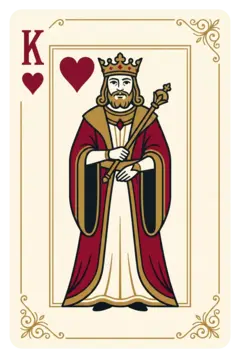
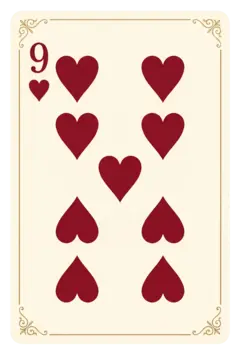
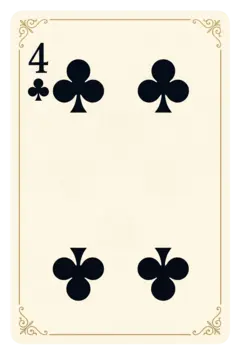
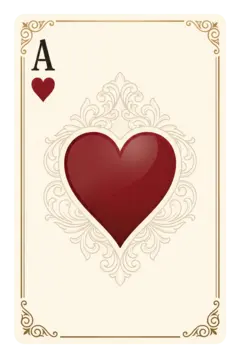
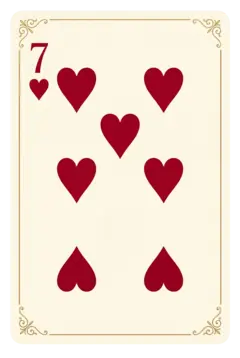
You hold A♥ 7♥ on K♥ 9♥ 4♣ — a flush draw that arrives about 35% of the time by the river.
A semi-bluff is a bet made with a draw instead of a made hand. It wins the pot straight away when they fold, and wins it later when a heart comes. That second route is why it is the bluff to reach for first. Getting called is not a failure here — nine hearts are still out there, and two cards are still to come.
Bet it on the flop, where it is usually also a continuation bet. Bet it again on the turn: with one card left, the flush still arrives about 18% of the time. Once the river is dealt there is nothing left to draw to, and a missed draw is a pure bluff again.
Which hand should you bluff with?
The one that wins nothing at showdown, not the one that feels weak.
Pot12,000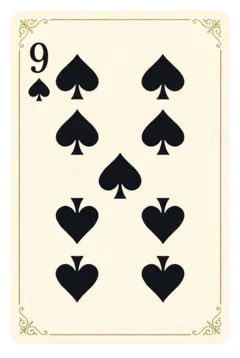
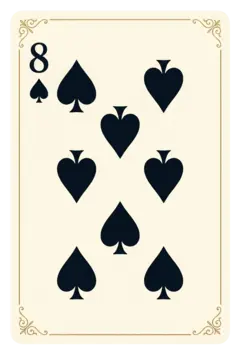
Swap Q♥ J♥ for 9♠ 8♠ on the same river and the answer reverses. A pair of nines beats every missed draw and every unpaired hand the other player checked with. Check it and those hands lose to you at showdown. Bet it and they fold, which leaves only kings and better to call you.
Most beginners have this the wrong way round, because a small pair feels worth protecting and an unpaired hand feels like nothing. The hand with nothing has nothing to lose by betting.
Quick check
Same river, K♦ 9♣ 5♠ 2♥ 3♣, and your opponent checks again. This time you hold 9♠ 8♠ for a pair of nines. What is the better play?
How much should you bet when you bluff?
Enough that folding is a real option for them, and no more.
A bluff pays for itself when it works often enough to cover what it risks. The two-thirds-pot bet in the first hand breaks even at 40%, and it offers the caller a price of ~29%. Bigger bluffs win more when they go through, and have to go through more often. Fold equity carries the threshold for every size.
That threshold is a break-even line, not a forecast. It says how often the bet has to work. It says nothing about how often this particular player folds.
Size your bluffs the way you size your strong hands. A bluff bigger than the bets you make with a real hand is readable without any guesswork, and bet sizing covers the standard sizes.
Why you should not bluff every time you miss
Missing the board is not by itself a reason to bluff.
Pot12,000 Bet8,000
Most hands miss, and most of those should check. A bet that arrives every single time you have nothing is a habit, not a story. The other player only has to notice it once, and the folds stop.
Two things end a bluff before it starts. The first is on the board above: they bet. Their bet claims the same king yours would have claimed, and getting past it now costs a raise rather than a bet. Give the hand up instead — when to fold works through letting go of a hand you were still hoping to win.
The second is the player. Some call every river with any pair, and no story moves them; poker tells covers reading that before you commit chips.
Bluff only the missed hands that have a story behind them. Any term here that is new to you is defined in the poker terms glossary.
Frequently asked questions
Can you bluff before the flop?
Yes, though it usually goes by another name. Raising a weak hand to take the blinds is the preflop version. It works for the same reason a river bet does: every player behind you can still fold.
What happens when a bluff gets called?
You lose the chips you bet, and the other player normally sees the hand you bet with at showdown. That is part of the cost — the next bluff you make against that player gets called a little more often.
Practice this in Vibe Poker
Play the spot yourself — Level 36 in Vibe Poker deals you Q♥ J♥ on K♦ 9♣ 5♠ 2♥ 3♣ with the river checked to you. Free, play-money.
Free, play-money only. 18+.