
Small Blind vs Big Blind: What They Are and Why They Exist
Level 1 · Lesson 5 of 83 min read
What do the blinds cost you?
The player left of the button posts the small blind; the next player posts the big blind, twice as much.
 Pot1,500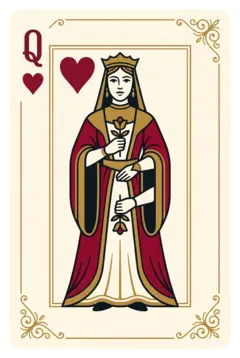
Both are posted before anyone looks at a card, so neither is a decision. They are the cost of sitting at the table, and the button moves one seat after each hand.
Three-handed, you post one blind or the other on two hands out of every three. There is no waiting them out.
Why does the game need forced bets?
Without them, nothing is at stake, and a game with nothing at stake has one correct strategy: fold everything and wait for aces.
Every player would do that, every hand would be folded around, and the game would never start. The blinds break that stalemate by putting something in the middle worth taking, which makes playing hands — not just premium ones — worth doing.
That is also why blinds rise over the course of a tournament. As they grow relative to the stacks, waiting becomes expensive, and the game is pushed toward decisions.
Why does the big blind continue so often?
Because it has already paid, and the money in the middle no longer belongs to it.
Pot4,000 Bet1,500
When someone raises and it comes back to you in the big blind, you are not paying the full raise — you are paying the difference. Your blind is already in the middle and it is not coming back whatever you do, so the only question is what the difference buys. That discount is why the big blind can continue with hands that would be an obvious fold from any other seat.
It has limits. A discount on a bad hand is still chips into a pot you will play from the worst seat at the table, for the rest of the hand. Pot odds turns "it is cheap to look" into a number you can check, and that number is what should decide it.
Which blind is worse?
The small blind, by a clear margin.
Pot1,500
It pays into the pot like the big blind but gets none of the big blind's compensation. It has no discount worth the name, and it still acts before the big blind on every round after the flop.
The big blind is the seat that pays most and the one that folds least. The small blind pays half as much and should fold most of what it is dealt. Poker positions covers what makes acting first so costly.
You'll also run into these
- "Big blinds" as a unit of measurement. A player who says they have 20 big blinds is naming a stack size, not a seat.
- Blinds are live preflop. The big blind has already put in a full bet, so if nobody raises, they may check and see the flop for nothing — the only seat that can.
- Dead blinds. Joining a table mid-rotation can require posting a blind out of turn so that no seat gets a free lap. It is a fairness rule, not a penalty.
The full order of play sits in the Texas Hold'em rules reference. Anything above you have not met yet has an entry in the poker terms glossary.
Practice this in Vibe Poker
Level 21 in the app practices exactly this — it takes about two minutes.
Free, play-money only. 18+.