
Fold Equity in Poker: The Other Half of Every Bet
Level 7 · Lesson 6 of 74 min read
How often does a bluff have to work?
A bet with nothing behind it wins one way: everyone folds. Fold equity is what that possibility is worth: the chips a bet collects when the hand behind it never has to be shown. Which hands make good bluffs is a separate question, answered in how to bluff.
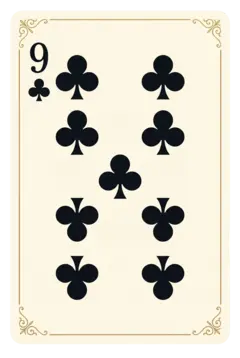
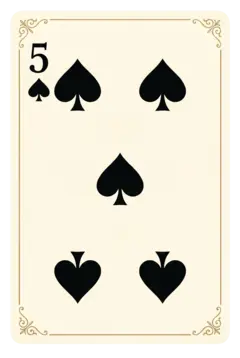
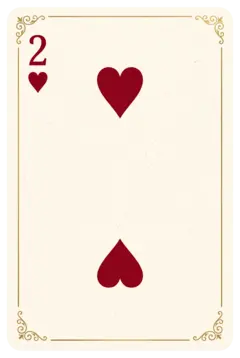
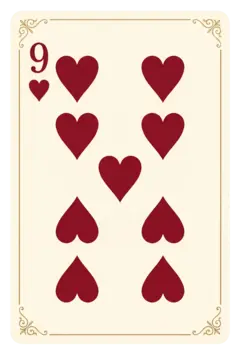
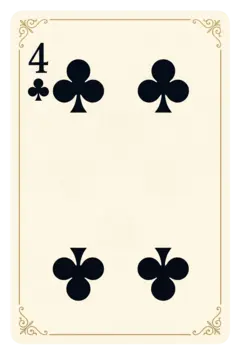
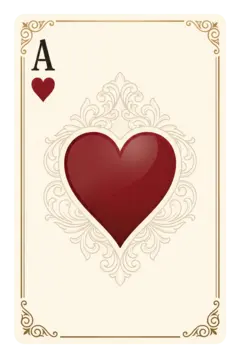
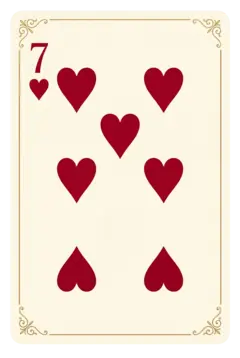
You hold Q♥ J♥ on a river of K♦ 9♣ 5♠ 2♥ 3♣, and your opponent checks.
 Pot12,000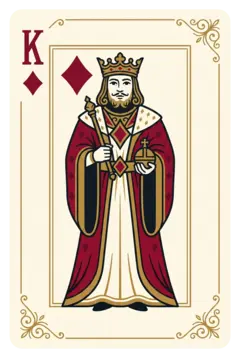
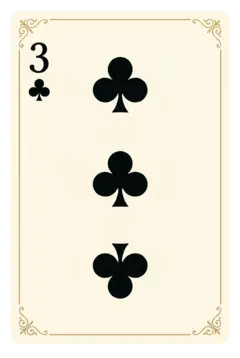
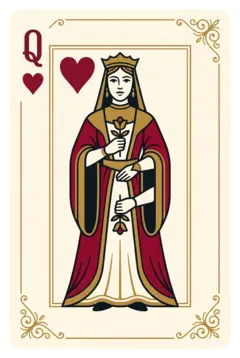
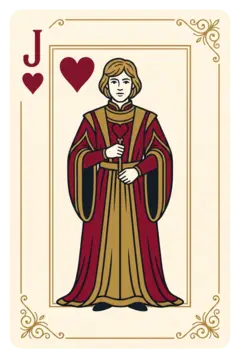
A bet risks what you put in to win what is already there. Call the bet b and the pot p:
b ÷ (b + p)
Bet 6,000 into a pot of 12,000:
6,000 ÷ (6,000 + 12,000) = ~33%
That is the break-even fold rate. Above it the bet profits; below it, it burns chips you could have kept by checking.
What does each bet size need to break even?
Run the same formula across the sizes you will use:
| Bet size | Must work | The caller's price |
|---|---|---|
| Quarter-pot | 20% | ~17% |
| Third-pot | 25% | 20% |
| Half-pot | ~33% | 25% |
| Two-thirds-pot | 40% | ~29% |
| Pot-sized | 50% | ~33% |
Bigger bets need more folds. Choosing a size is therefore a claim about how often this opponent gives up.
The right-hand column is the same arithmetic from the caller's seat: what your bet costs them against what the pot would pay them. Those are the pot odds they are working from, so one calculation settles both halves of the decision.
Quick check
You bluff two-thirds of the pot on the river. How often does your opponent have to fold for the bet to break even?
What the break-even number does not tell you
The table says what a bluff needs. It never says what a bluff gets.
How often this opponent folds is a second number, and no arithmetic supplies it. You estimate it from what they have shown you: the hands they called with, the boards they gave up on, whether they fold at all.
Pot12,000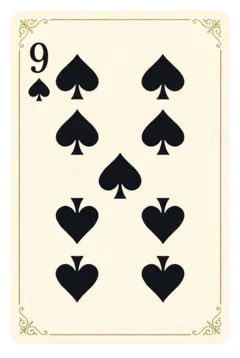
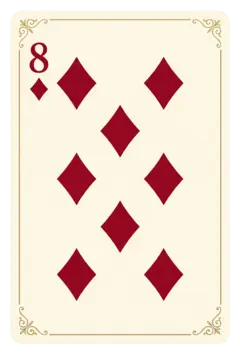
Against someone who calls every river, every threshold above is out of reach, and no bet size repairs it. Estimate the fold rate first, then read the row.
Why does an all-in with a draw win twice?
A flush draw that moves all-in collects the pot two ways: the fold now, or the heart later. Calling has only the second.
Nine outs arrive about 35% of the time by the river. Fold equity is added to the equity the cards already carry, so a raise can profit at a price where a call loses.
Pot6,000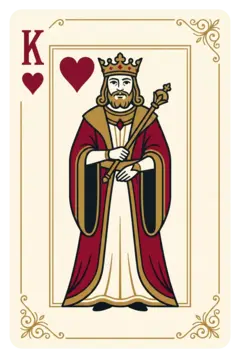
It is also why a short stack prefers an all-in to a small raise: only one of the two still has folds attached to it.
Any term here that is new to you is defined in the poker terms glossary.
Frequently asked questions
Does a value bet have fold equity too?
It has the same arithmetic and the opposite goal. Holding the best hand, you want the call, so every fold you cause costs you what that call would have paid. The size that wins the most folds and the size that wins the most calls are rarely the same size.
Practice this in Vibe Poker
Try the spot yourself — Level 36 in Vibe Poker is a busted draw on the river against an opponent who just checked. Free, play-money.
Free, play-money only. 18+.