
Poker Tells: What They Are and What They Aren't
Level 7 · Lesson 7 of 74 min read
What does an opponent's line tell you?
Their line is the sequence of actions they take across a hand: every check, bet and raise, plus the size of each one. Each action removes hands from the list of what they can be holding.
 Pot4,800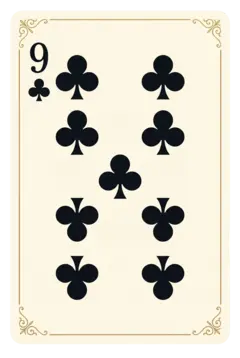
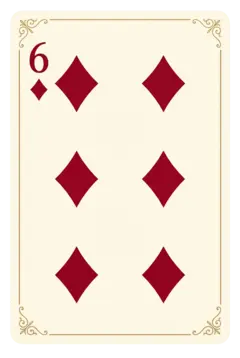
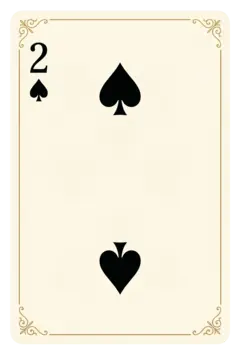
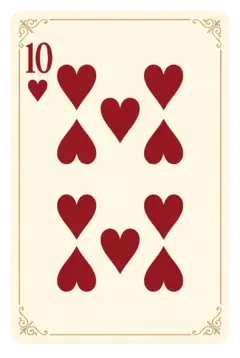
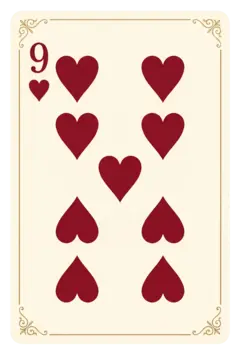
A hand that wants to be called bets while cards are still to come. Two checks say this player was not trying to build a pot. The biggest bet of the hand then arrives on the last card. Strong hands do check twice sometimes — that is slow playing — but it is the rare line.
How do you tell a bluff from a value bet?
List the hands that would take this exact line for value. A value bet needs a hand that beats yours and a reason to think you will pay.
Pot4,800 Bet5,600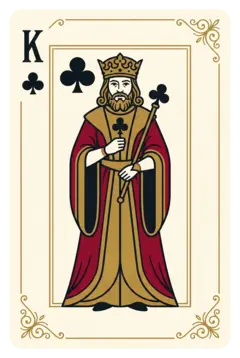
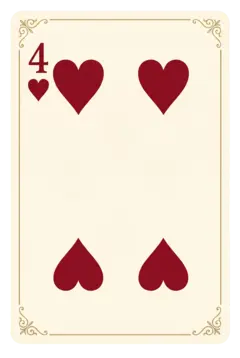
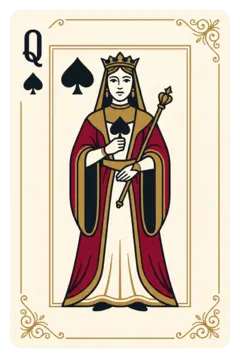
A king would have bet the turn, and a set the flop. Two pair has no reason to go quiet on a board this dry. What is left is a hand that could not win the pot any other way.
Size is the second half of the read, and it proves less than beginners expect. Fold equity rises with a bet bigger than the pot, but big bets are made for value too. Read the size together with the streets before it, never on its own.
One player's habit outranks all of it. If this opponent has fired the river three times and shown nothing down, play against them, not against a general rule.
Quick check
Their line has been check, check, then a bet larger than the pot. You hold a pair of nines. What is the play?
When should you call with a weak pair?
A bluff-catcher is a hand that beats a bluff and loses to a value bet. Here that is a pair of nines, played with the board's king as your top kicker and the ten behind it. It cannot improve, and it beats nothing that would bet this size for value.
Raising is the common mistake. A bluff-catcher gains nothing from a raise: every hand that calls it is better, and every hand it beats has already folded.
The price still matters. A larger bet means risking more to win the same pot. That is pot odds, and it moves the threshold rather than the read. When their story does make sense as value, a pair of nines is a fold.
Do physical tells work?
They exist, and they are weak evidence. Live players do give things away: a shaking hand, a rushed call, a rehearsed speech.
Three things keep them out of the decisions above. Nobody knows how often any single tell is right, and any rate you see quoted is a guess. The same gesture means opposite things in different people. Online there is no body to watch — no hands, no eyes, no chips.
Beginners weight them heavily anyway, and the cost is specific. A read built on a gesture overrules the line, which was the better evidence.
Any term here that is new to you is defined in the poker terms glossary.
Frequently asked questions
Is there any physical tell online?
Timing, and only timing. An instant bet or a long pause is something the player did not choose to send. That is what makes it tell-like when there is no body to read. Both are noisy: players sit at several tables, lose connection, or pause on purpose. Treat timing as a tiebreaker after you have read the line, never in place of it.
Can an opponent fake a tell?
Yes, and experienced players do. A sigh before a strong hand, a confident snap-bet with nothing: the act targets whichever read you most trust. A line is far harder to fake, because every action in it costs chips.
Practice this in Vibe Poker
Call a river bet that doesn't add up — Level 39 in Vibe Poker takes about a minute. Free, play-money.
Free, play-money only. 18+.