
Poker Tips That Actually Make You Better
Level 10 · Lesson 1 of 35 min read
Check the mediocre hand instead of raising it
You hold Q♦ 4♣ in the big blind, the small blind limped, and the action is yours.
 Pot2,000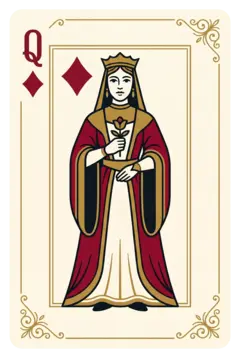
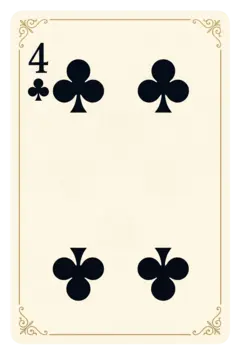
Checking costs nothing and commits nothing. Raising builds a pot with a hand that flops one useful card at best, and the four behind the queen adds nothing to it.
A hand you would fold to a raise does not become worth raising because nobody raised you. Which hands are worth building a pot with is best starting hands poker.
You do not owe the table a bet
Same idea one street later. You hold 9♠ 6♠, it is blind versus blind, and the flop checks to you.
Pot2,000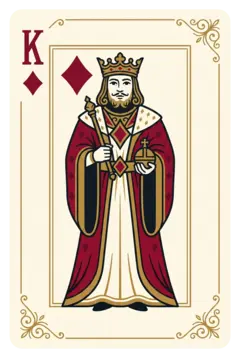
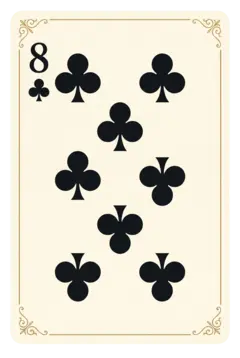
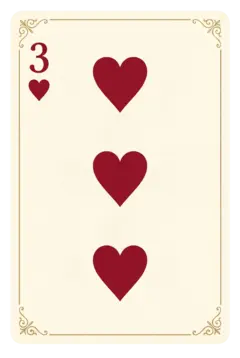
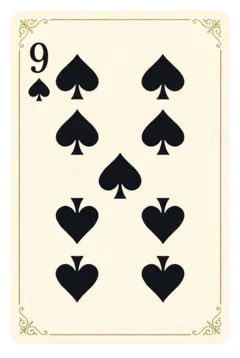
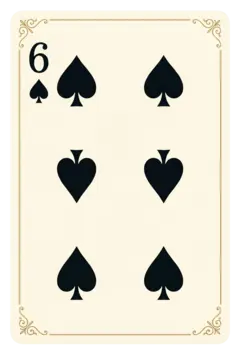
Nothing is forcing you to act, and nothing on this flop belongs to you. Bet, and the hands that call have you beaten. Check, and you see the turn for free.
Checking is not passing your turn. It moves the decision to a street where you know more. You act last here, so the next card arrives with information your opponent will not have — poker positions covers what acting last is worth.
Bet when you are probably ahead
Checking is wrong when you are probably ahead and a worse hand can still call. The hands that would have paid you keep their chips.
Poker bet sizing works that spot through on cards and sizes it. Slow playing poker covers why waiting for a bigger pot usually produces a smaller one.
Fold when the flop misses you
You raised K♥ Q♣ before the flop and it came 9♠ 8♦ 4♣. No pair, no draw, two big cards that beat nothing yet. They bet.
Pot8,000 Bet6,000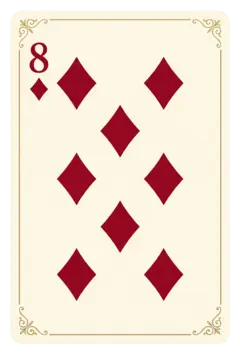
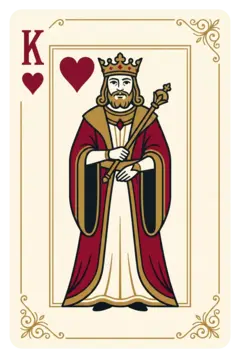
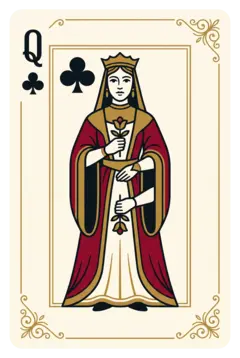
The hand you finish with is one pair about 44% of the time, the most common finish there is. High card poker covers what happens below it. Missing a flop is the ordinary case, not a bad run.
So fold. King-high wins nothing at showdown against a player who is betting. Calling buys two more cards to make a pair that can still be second best.
Make the expensive fold, not just the cheap one
The easy fold costs you nothing. This is the other one. You hold 8♠ 4♠, the flop is A♦ K♣ 9♥, and they bet the size of the pot.
Pot8,000Bet8,000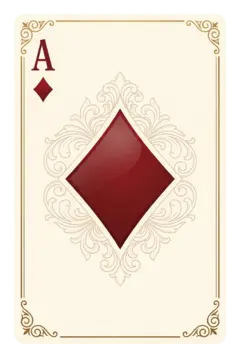
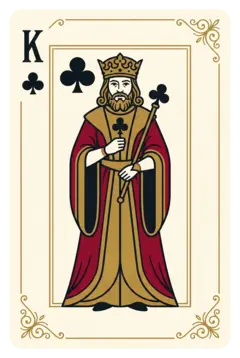
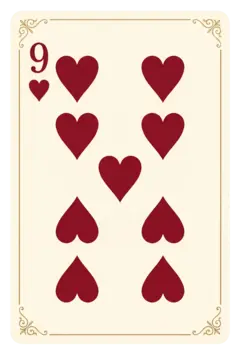
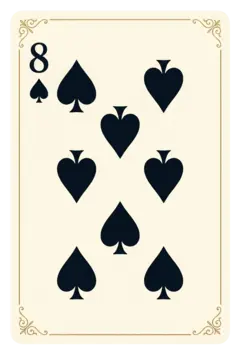
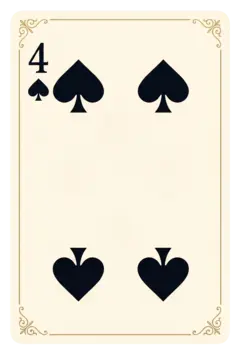
Fold. A bigger bet does not make calling braver — it makes the same losing call cost more.
Count it as a result rather than a hand you lost. How to win at poker covers why that habit is what separates winning players, and when to fold has the price test behind the decision.
Let go of a hand that was strong before the flop
You hold A♠ K♣, one of the strongest hands you can be dealt, and the flop comes 6♠ 5♣ 4♦. They bet more than the pot.
Pot8,000Bet10,000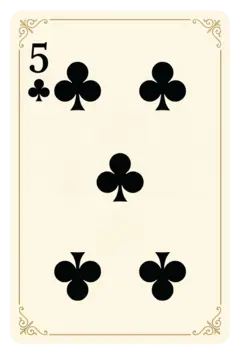
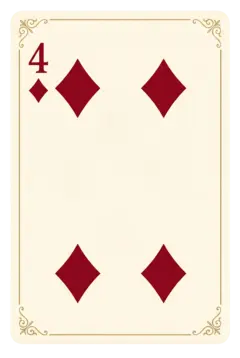
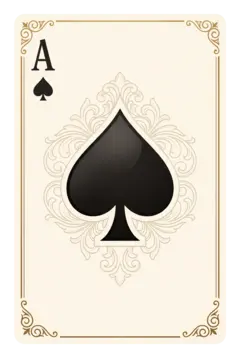
Ace-king has not paired, and it is not drawing to anything. Pairs and straights both live on this board, and an opponent who bets into it can hold either.
Fold, and fold without treating it as an exception. The strength you had before the flop was a claim about three cards you had not seen. Now you have seen them, and only the hand in front of you counts. A premium starting hand buys you a better average flop, not a right to continue on this one.
Work out the price before you call
Work it out from the pot and the bet, not from how the bet feels. Three sizes cover most of what you will face:
- A quarter-pot bet offers a price of about 17%.
- A half-pot bet offers 25%.
- A pot-sized bet offers about 33%.
Those three numbers are what your hand's chance of winning has to beat. Pot odds has the formula behind them and a calculator for the sizes in between.
A draw is not a hand yet
You hold A♥ 7♥ on K♥ 9♥ 4♣. Four hearts, two cards to come, and nothing made.
Pot6,000Bet1,500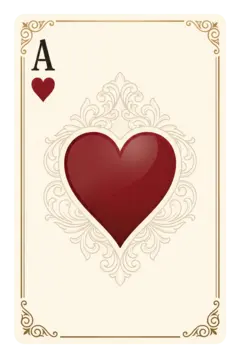
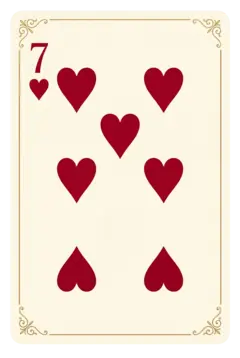
The flush arrives by the river about 35% of the time. Wait a card and that roughly halves: with only the river left, those same nine hearts are down to about 18%.
So a draw is worth less on every street where it fails to complete. Hold it against the price the bet offers, and give it up when the price is the higher number.
Poker draws covers each type and poker outs and odds covers how to count them. Any word here you have not met is in poker terms for beginners.
Frequently asked questions
Do these tips work in a play-money game?
Yes, and the decisions are identical. The size of the pot and the cards on the table are all the maths uses, and neither depends on what a chip is worth. What does change is the cost of finding out you were wrong. That is why the practice levels in Vibe Poker are free, play-money hands.
How many of these should you work on at once?
One. Pick the tip that names the mistake you make most often, and apply it for a full session before adding another. Each one changes a different decision, so taking them one at a time is what makes any of them stick.
Practice this in Vibe Poker
Check the hand you were about to raise, and fold the one you were about to defend. Levels 23, 28 and 35 in Vibe Poker take about three minutes. Free, play-money.
Free, play-money only. 18+.