
How to Win at Poker: What Winning Players Do Differently
Level 10 · Lesson 2 of 35 min read
Where the chips at a beginner table actually go
Sit at a low-level table for an hour and count the big pots. Almost none of them are won by a clever play. They are lost by an obvious one.
Two kinds of error move chips at a table like this, and they are not the same size:
- Paying too much with a hand that is behind. Large, repeatable, and entirely yours to stop.
- Winning too little with a hand that is ahead. Quieter and smaller. A pot that could have been bigger is not a pot you lost.
Nearly all of the distance between a losing player and a winning one sits in the first of those. Good decisions elsewhere in the session do not cover it. A player who folds correctly all session and makes two of these calls still finishes down.
The shape barely varies. A flop misses you, a bet arrives that your hand cannot beat, and you call anyway. A pot-sized bet offers a price of one in three. A hand that paired nothing is nowhere near that, and pot odds is how you check in seconds.
The call is also worse than it looks on the street where it happens. Fold, and the hand ends at what you have already put in. Call, and you have bought a decision on the turn. Same nothing in your hand, a bigger pot in front of you, and a bet you can afford even less.
Poker tips works two of those calls through hand by hand: eight-four on an ace-king flop, and ace-king on a low connected one. It states the habits as instructions. This page is the reasoning underneath them.
Even the best hand loses often enough to notice
Pocket aces, all-in before the flop against a random hand, win about 85%. That is the strongest anyone is before a card is dealt. How to play pocket aces covers the rest of the matchups.
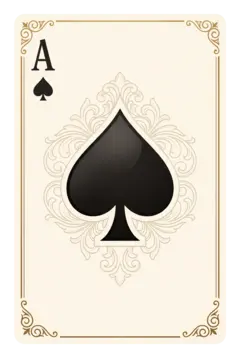
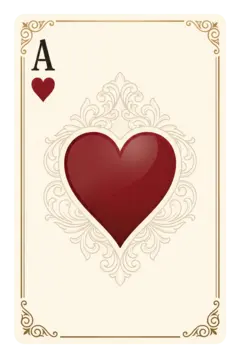
The rest of the time it loses, usually to somebody who called with far less. Every edge in this game has that shape, and smaller edges take far longer than aces to show.
A better player wins more sessions than they lose and still loses plenty of them. A bad run says nothing about the decisions inside it. So nothing on this page is measured in results. A call is either priced correctly or it is not, and you can tell which the moment you make it. Whether the river then cooperates is a separate event you had no vote in.
The hand you raised is not the hand you have
Ace-king sits at the top of the best starting hands alongside the big pairs. A low connected flop can take all of that away at once, and poker tips plays one out on cards. What belongs here is why that fold is hard rather than why it is right.
The raise was correct when you made it, and the fold is correct now. Beginners read the second as a verdict on the first, and defend the raise instead of the pot.
So they call once, then again on the turn, and each call costs more than the last. Grade the two decisions apart from each other. Both can be the best action available, in the same hand, two minutes apart.
The three questions a hand asks you
Every decision comes down to one of three questions. None of them is settled by how much you like your two cards.
| The question | What settles it | Worked through in |
|---|---|---|
| Which hands do I play at all? | Your seat, more than your cards | poker positions, out of position poker |
| Do I keep going after the flop? | The price against your chances | when to fold, equity vs pot odds |
| How big should this pot get? | The size you choose while ahead | poker bet sizing |
Losing players answer all three with the same input: how strong the hand feels. That one substitution produces most of the errors above. It is also why the fix is not a system. Each question has its own answer, and you can repair them one at a time.
Start with the middle row. It is the only one of the three that comes up on every street of every hand you carry past the flop. A small improvement there is worth more than a perfect answer to either of the others.
The hand after the bad beat
Losing with aces costs you one pot. Tilt — playing on emotion after a bad result — costs you the hour that follows. It is the only mistake on this page that compounds.
 Pot1,500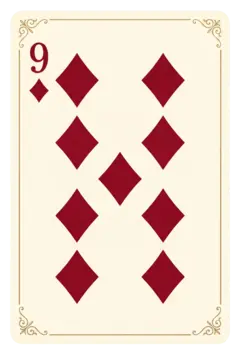
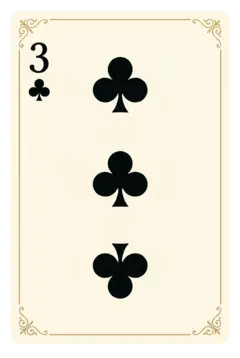
The pattern is consistent enough to catch in yourself:
- Hands you folded without thinking an hour ago now get raised.
- Bet sizes grow, because the goal has quietly moved from playing well to levelling the score.
- Folding starts to feel like agreeing with the player who beat you.
None of that came from the bad beat, which was one hand and mostly the deck's doing. It comes from the hands after it, and there are as many of those as you allow.
Treat the fix as mechanical rather than emotional: sit out the next hand, or fold it without looking at your cards. Vibe Poker is free and play-money, so a bad session costs you nothing but the session. The habit still travels with you to every table afterwards. Any term above that is new to you is in the poker terms for beginners glossary.
Frequently asked questions
Can you win at poker without bluffing?
Yes. Most beginner pots are settled by who held the better hand and who paid too much to find out. A player who never bluffs and never pays a bad price still collects chips steadily. Bluffing adds pots you can take without the better hand. It is a separate skill with arithmetic of its own, and how to bluff in poker covers when it works.
Practice this in Vibe Poker
Make the two folds this page is about — Levels 28 and 35 in Vibe Poker take about two minutes. Free, play-money.
Free, play-money only. 18+.